Magic and mysticism
The systems shaping our lives — algorithms, AI, modern medicine — have grown too complex for most people to understand, and what we cannot explain, we experience as magic.
Change driver · Updated July 2026
The shift ahead
From understanding to awe
For centuries the promise was that science would make the world legible. Now the world is producing systems that not even their makers can fully explain.
People take medicines that work through mechanisms no one has fully mapped. They trust decisions made by AI that its own builders cannot open up. They live among algorithms that shape what they see, earn and believe, with no way to inspect them. When the machinery of daily life becomes unreadable, an old instinct returns: we start treating what we cannot explain as something close to magic.
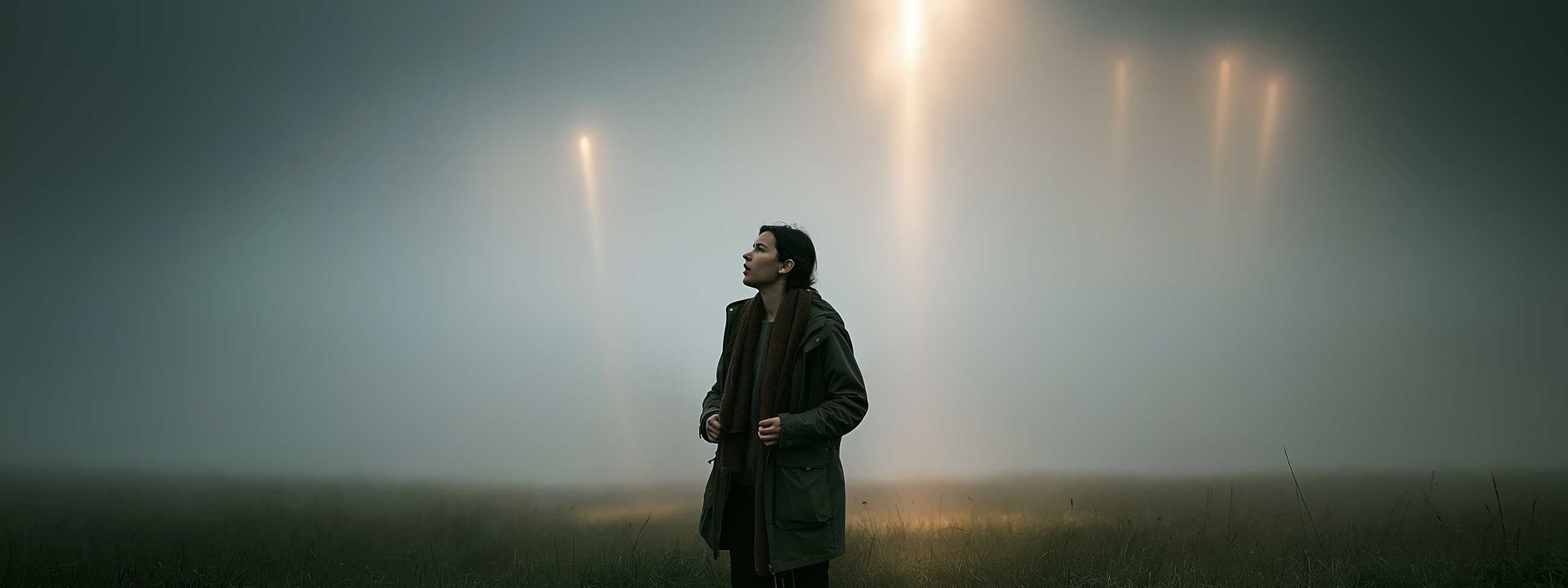
The shift is not a retreat from reason. It is the return of enchantment — as the systems around us outrun human understanding, people reach for meaning, ritual and belief to make sense of a world that no longer explains itself.
Why it matters
When the world stops being explainable, facts stop being enough to make people feel safe.
Comprehension used to be the ground trust stood on: you believed the expert because, in principle, the reasoning could be followed. That ground is eroding. When the explanation is out of reach — for the diagnosis, the model, the market move — people fall back on whatever gives them a feeling of understanding, whether or not it is true.
That leaves institutions competing on a field they do not control. Against systems that feel like magic, a satisfying story can beat an accurate one — and the same hunger for meaning is a market that will sell certainty, belonging or a cure to anyone unsettled enough to buy.
Possible futures this could enable
-
01
Meaning-making becomes a mainstream pursuit
People reach for frameworks that make a confusing life feel legible again, and do it out in the open.
Early signalThe astrology app Co-Star passed 20 million downloads with almost no marketing, reaching a quarter of US women aged 18 to 25, offering a simple framework for making sense of the self.
-
02
Alternative wellness becomes a serious competitor
When official systems feel opaque, people invest in approaches that give them a sense of understanding and control over their own wellbeing.
Early signalThe global wellness economy reached $6.8 trillion in 2024, now larger than the pharmaceutical industry, as people spend more on approaches to wellbeing they can feel in charge of.
-
03
Evidence and belief need new boundaries
Even regulators start moving on treatments whose workings and proof are still unsettled, forcing hard calls about where evidence ends and hope begins.
Early signalIn April 2026 the FDA moved to fast-track three psychedelic therapies for depression and PTSD, days after a presidential order urging quick approvals — even though none had finished the large trials that normally decide whether a treatment works.
Right now, the reach for meaning is spreading faster than anyone can sort the helpful from the harmful.
Some of it is steadying and real: ritual, community, narrative and practices that help people bear uncertainty. Some of it is opportunistic, overclaimed or cut loose from evidence entirely. The two travel under the same banner, which is what makes it hard to govern.
The line that matters is the line between meaning as support and meaning as substitute. The stronger version helps people bear what they cannot control without pretending to certainty. The weaker version sells the certainty anyway, and lets the story stand in for the thing itself.
Watch where people go when the official explanation runs out.
The driver strengthens as the systems people depend on — AI, finance, medicine, the algorithms behind daily life — grow harder to understand, and as astrology, wellness, influencer-led belief and altered-states practice fill the gap. It strengthens whenever an official answer is technically right and completely unsatisfying.
The question is not whether people are turning away from reason. It is whether a world this complex can still be explained fast enough that people don’t fall back on magic to make sense of it.
This is one force among many.
We track the ones that will reshape your field, and what to do about them.