Purposeful friction
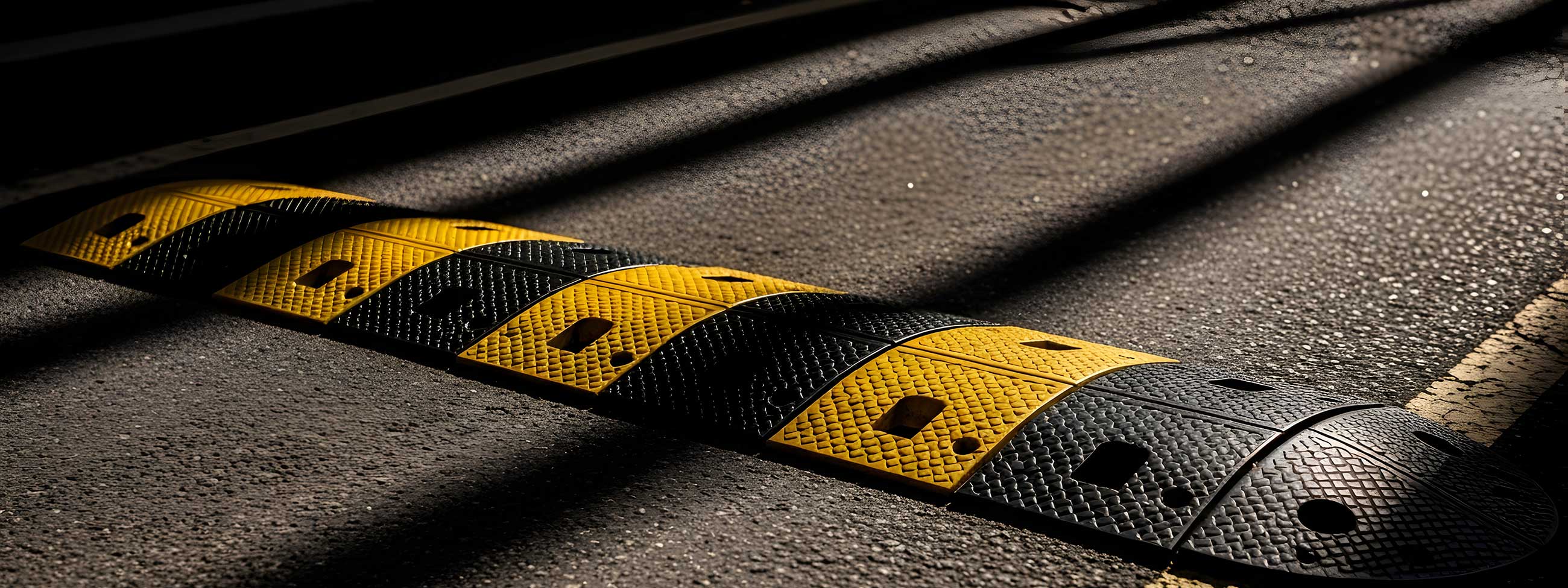
After two decades of engineering friction out of everything, the most interesting design decision is the deliberate pause — the speed bump placed on purpose, because some things go wrong precisely at full speed.
Change driver · Updated July 2026
The shift ahead
From accidental burden to design material
The technology industry spent twenty years removing every obstacle between impulse and action. Now, some of its smartest people are carefully putting a few back.
Platforms add prompts that make users stop before they continue. Legislatures lock the most captivating devices out of classrooms. People pay real money for vinyl records of music they could stream instantly for almost nothing. Each move runs against the grain of frictionless design, and each is deliberate.
The shift is not a defense of inconvenience. It is the movement of friction from accidental burden to design material — pauses, checks and human touchpoints intentionally placed where speed itself had become the risk.
Why it matters
Frictionless systems optimized for the moment of action. Purposeful friction optimizes for whether the action was right.
This is the counterweight to zero-friction expectations, and organizations will need both: the judgment of which frictions protect people — comprehension, consent, cooling-off, human review — and the discipline to defend them while removing everything else.
Done well, deliberate friction becomes a trust signal: the pause that tells people an organization values their judgment more than their impulse.
Possible futures this could enable
-
01
Platforms build the pause
The systems engineered for compulsion begin engineering interruption, making continuation a decision rather than a default.
Early signalTikTok set a 60-minute daily limit as the default for every user under 18, requiring a deliberate passcode entry to continue — and reported that its prompts increased use of screen-time tools by 234%
-
02
Friction becomes policy
Institutions restore protected attention by law, removing the frictionless option entirely.
Early signalThirty-five states now restrict student phone use in schools, most enacted within a two-year sprint from Florida’s first law in 2023 — one of the fastest bipartisan policy waves in recent memory
-
03
Slow becomes the premium
People pay extra for deliberately effortful versions of things that exist frictionlessly — because the effort is the point.
Early signalUS vinyl revenue passed $1 billion in 2025 for the first time since 1983 — a 19th consecutive year of growth, with records outselling CDs three to one in a world where the same music streams instantly for a fraction of the cost
Right now, friction is being rediscovered one failure at a time.
Most deliberate friction still arrives as a correction after harm — the prompt added after the pile-on, the ban passed after the attention crisis — rather than as a design principle applied up front. The organizations experimenting with it are learning that placement is everything: friction where judgment matters builds trust, friction anywhere else just reads as failure.
The line that will matter is the line between accidental and intentional: knowing precisely which of your frictions are load-bearing, and being able to say why.
Watch where speed starts to create risk.
The driver strengthens wherever the costs of instantaneousness surface: regretted transactions, viral misinformation, decisions people wish had come with a pause — and wherever pauses get designed in response, by platforms, by law or by people choosing slower on purpose.
The question is not how fast a system can be. It is which moments deserve to be slow.
This is one force among many.
We track the ones that will reshape your field, and what to do about them.