Future Artifacts

Signals from the edge

When genetic medicine outruns governance

Published July 2, 2026

A global policy survey found that 75 of 96 countries with relevant policy documents prohibit using a genetically edited embryo to initiate pregnancy, and no country explicitly permits heritable human genome editing.1 And yet edited children were born once. Somatic gene therapy is already treating inherited disease in existing patients; heritable embryo editing remains a different clinical, legal and ethical category.67 The foresight question is what happens when genetic medicine advances faster than the governance of heritable use.

No country explicitly permits heritable human genome editing

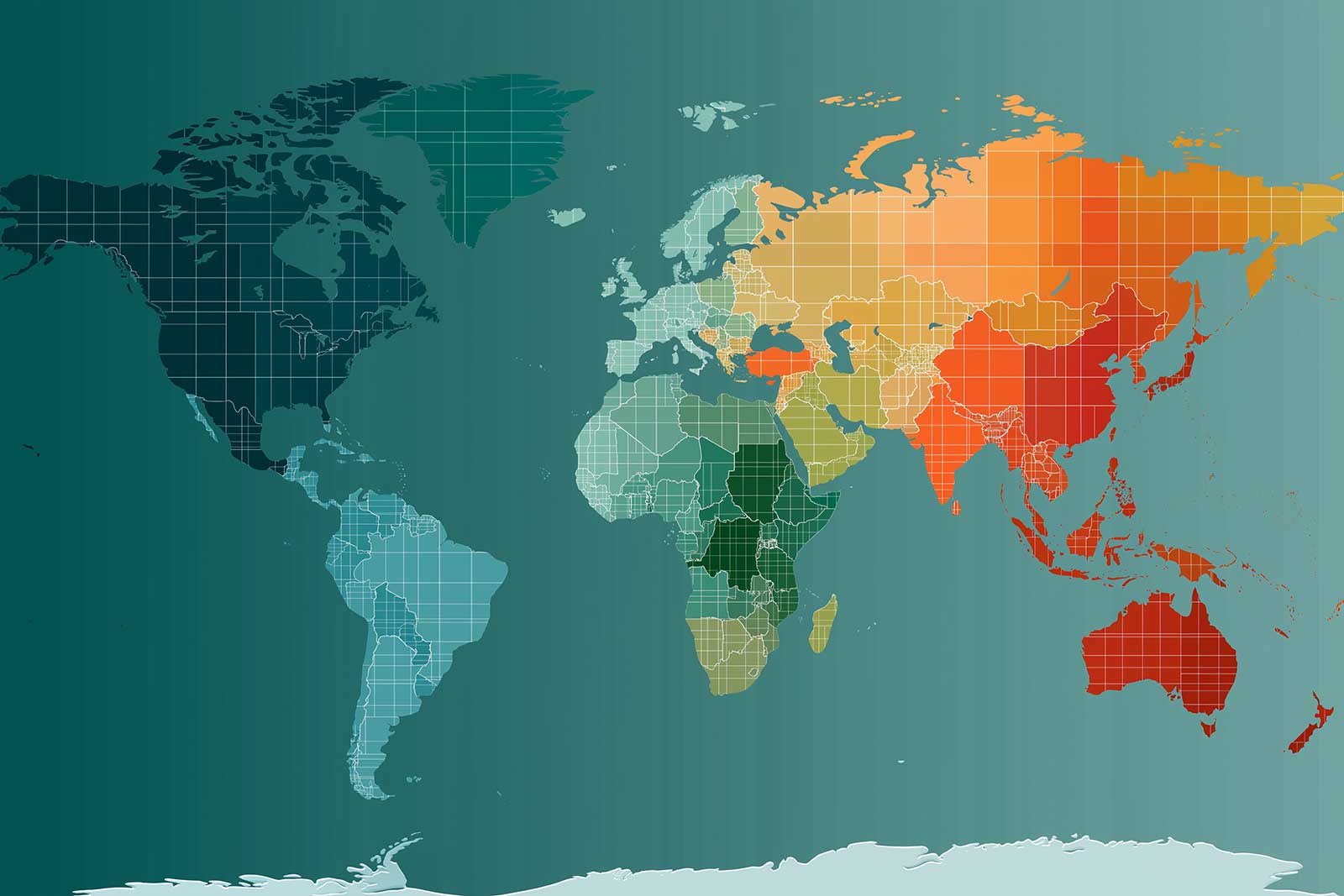
A global policy survey found that 75 of 96 countries with relevant policy documents prohibit using a genetically edited embryo to initiate pregnancy, and no country explicitly permits heritable human genome editing.1 Embryo research short of pregnancy is more fragmented: some countries permit tightly regulated research, others prohibit it and oversight mechanisms vary. The legal signal is strong. The enforcement landscape is not uniform.

A world map rendered as a document with most regions marked prohibited
Image · near-universal ban

Entrepreneurial interest has moved past rhetoric

The researcher who created the first gene-edited babies in 2018 served three years in prison and has since returned to public advocacy around gene editing. Separately, entrepreneurs have begun forming companies around heritable embryo-editing research.2 The signal changed in late 2025, when reporting described Preventive PBC as having raised about $30 million from private funders, including OpenAI’s Sam Altman and Coinbase’s Brian Armstrong, for preclinical embryo-editing work, while other efforts, including Manhattan Genomics and Origin Genomics, remained more opaque or earlier-stage.

An empty modern biotech lab space set up but unoccupied
Image · renewed entrepreneurial interest

AI-designed gene editors are becoming technically plausible

A 2025 Nature study used models trained on CRISPR-Cas biological diversity to design a programmable gene editor that worked in human cells.3 A separate CRISPR-GPT system showed how AI agents can assist with gene-editing experiment design, protocol planning and analysis.4 The signal is not that embryo editing is suddenly easy or safe. It is that design support, protocol generation and editor discovery are becoming more automated.

A laptop screen showing a protein structure model in a lab setting
Image · AI-designed gene editors

Somatic gene therapy is already treating inherited disease

Luxturna is an approved gene therapy for biallelic RPE65 mutation-associated retinal dystrophy and can improve functional vision in eligible patients.6 In April 2026, the FDA approved Otarmeni, the first gene therapy for OTOF-related inherited deafness, following trial evidence of meaningful hearing improvement.7 These therapies are not heritable, not embryonic and not the same ethical category as editing an embryo before birth. That distinction is central to the whole debate.

A vial of gene therapy medication in a clinical setting
Image · approved gene therapy in use

Signal vs. noise

The signal is not that all gene editing is the same. Somatic gene therapy, embryo research and heritable genome editing sit on different clinical, legal and ethical tracks. The danger comes when those tracks get collapsed into one story.

Signal

Somatic gene therapy is real medicine, not speculation

CRISPR-based therapy is approved for sickle cell disease and transfusion-dependent β-thalassemia, alongside approved or emerging gene therapies for inherited vision and hearing disorders. These treatments edit or deliver genes in an existing patient. They do not create heritable changes in future generations.

Noise

“Gene therapy and embryo editing are the same debate”

They share tools and language, but not the same ethical category. Somatic gene therapy treats a consenting patient and is not inherited. Heritable embryo editing could affect a future child and descendants who cannot consent. Collapsing the two makes approved medicine seem more dangerous and embryo editing seem more settled than it is.

Signal

Public support changes sharply by purpose

In the Dutch DNA-dialogue study, 68.6% supported human germline editing to prevent a severe genetic disease, while only 8.5% supported it for enhancement.5 Broader reviews find a similar pattern: people are generally more open to disease prevention or treatment than to enhancement. The line is not only technical. It is moral and social.

Noise

“If it is prohibited, it cannot happen”

The U.S. does not regulate this through a simple standalone criminal ban. Federal funding restrictions and limits on FDA review block clinical use, while privately funded embryo research sits in a different legal posture.8 Japan offers another kind of gap: reproductive use is restricted by guidance, but violations of some guidance are not punishable as crimes.9 The practical question is not only what the rule says. It is what the rule can stop.

What would make this real

As of July 2026

Heritable human genome editing already exists as a governance problem: a near-universal prohibition, a documented breach, renewed entrepreneurial activity, AI-enabled tool development and no mature system for lifelong follow-up if a child is born edited. The question is what would have to change before leaders treat this as actively managed risk rather than a settled non-issue.

WatchpointWhat would change the decisionCurrent status
A harmonized international enforcement frameworkCountries move beyond shared concern toward coordinated rules, reporting, sanctions and cross-border enforcement for heritable human genome editing.11Not yetNo country explicitly permits heritable editing, but enforcement remains fragmented.
Lifelong monitoring infrastructure exists, not just proposalsA working registry and follow-up system exists for anyone edited before birth, built before the first case needs it, not after.10Not yetEvery proposal borrows from adjacent systems; none is built.
Funded embryo-editing companies move toward operating pipelinesA named company moves from preclinical research and public positioning toward an operating clinical or reproductive pipeline.2EarlyAt least one company has reported funding for preclinical work; clinical use remains prohibited and unproven.
AI-designed editing tools receive explicit oversightRegulators clarify how existing genome-editing rules apply to AI-designed editors, automated protocol systems and lab agents.3EarlyAI-designed editors and CRISPR agents are emerging faster than governance language.
Multigenerational consent frameworks move from proposal to policyA jurisdiction formally adopts a consent model built for effects that could reach descendants, not just the edited individual.EarlyWidely proposed in the literature; not yet adopted anywhere.
Public engagement broadens past its current narrow baseDeliberation draws in the populations most affected by disease-prevention use, not just bioethicists and survey panels.EarlyDozens of studies exist; calls to broaden participation are recent.

How to build readiness

1Separate somatic gene therapy from heritable embryo editing, every time

Approved somatic gene therapy is already treating inherited disease in existing patients. Heritable embryo editing would change a future child before birth and could affect descendants. Conflating the two clouds both conversations and helps neither.

2Build follow-up infrastructure before anyone needs it

Heritable editing raises risks that may not appear at birth: late-onset effects, mosaicism, off-target changes and possible consequences for descendants. Long-term registries, consent models and care obligations would need to exist before a case, not be invented after one.

3Watch enforcement gaps, not just written law

A ban on paper doesn’t guarantee it can’t happen there. Some jurisdictions block this through funding and review processes rather than a criminal statute — a meaningfully different kind of barrier.

4Treat entrepreneurial signaling as a leading indicator

Company formation, funding, advisory boards, jurisdiction-shopping and preclinical pipelines are all signals before a clinical attempt appears. Foresight work should track the slope from public intent to operational capacity, not wait for the next edited birth announcement.

The futurist’s take

The prohibition is real.
The enforcement gap is where the future leaks through.

No country explicitly permits heritable human genome editing, and most countries with relevant policies prohibit using an edited embryo to start a pregnancy. That is a real governance signal. But the most consequential fact is still the breach: edited children were born once, and new actors are now testing the boundary between lawful research, reproductive ambition and public legitimacy.

The organizations that get this right will not confuse prohibition with preparedness. They will protect the legitimacy of somatic gene therapy, track enforcement gaps and build the long-term monitoring logic before anyone needs to ask what happens to a child edited before birth.

From evidence to artifact

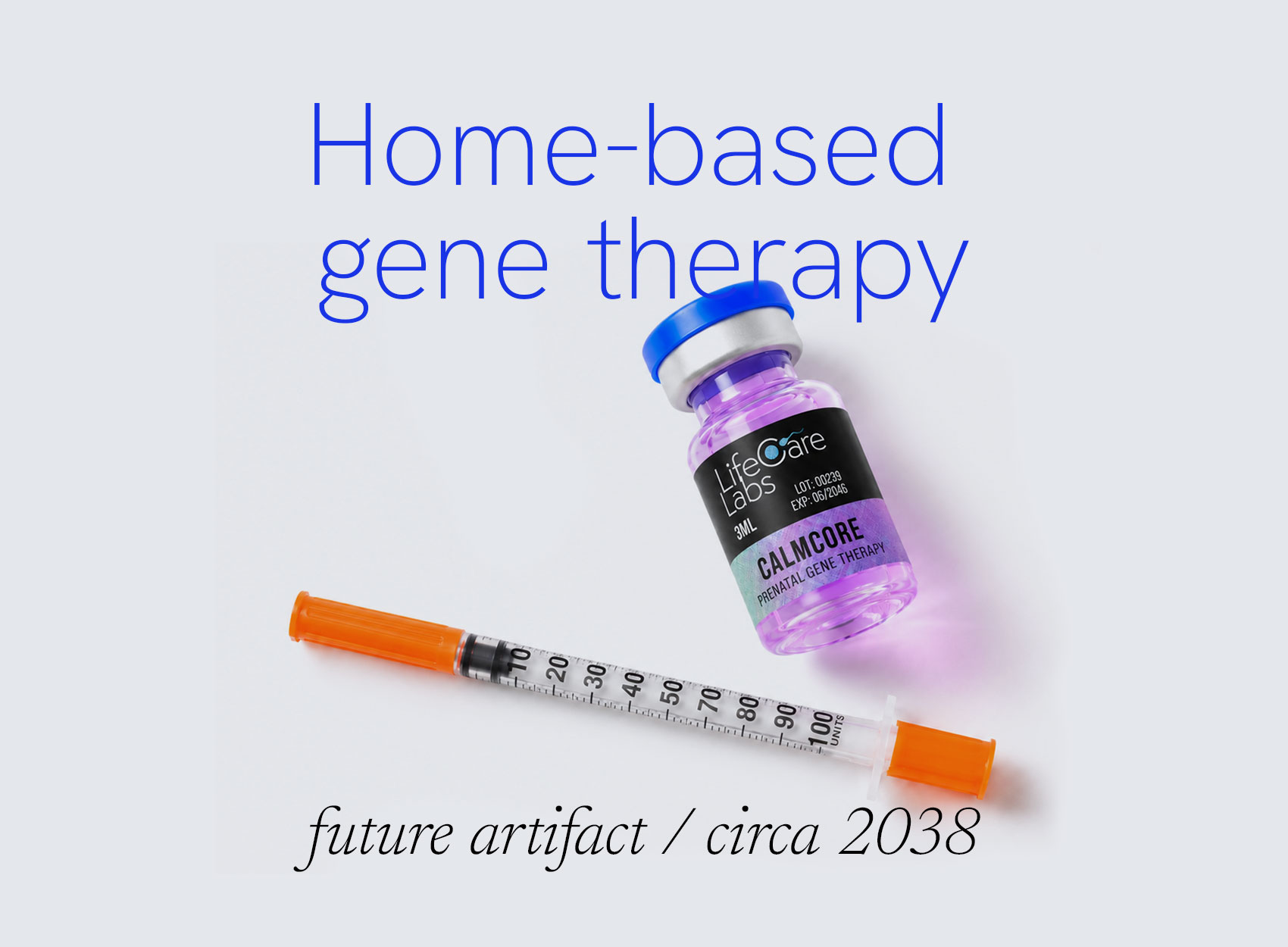
See how we used disciplined imagination to turn weak signals into a tangible artifact from the future.

References

  1. Baylis, Darnovsky, Hasson and Krahn (2020). Human Germline and Heritable Genome Editing: The Global Policy Landscape. doi:10.1089/crispr.2020.0082
  2. Martani, van der Weij, van Baalen and van Beers (2025). Repoliticizing heritable human genome editing: discursive narrowing and technomoral change in the international debate on human germline modification. doi:10.1080/14636778.2025.2598071
  3. Ruffolo, Nayfach, Gallagher et al. (2025). Design of highly functional genome editors by modelling CRISPR–Cas sequences. doi:10.1038/s41586-025-09298-z
  4. Qu, Huang, Yin et al. (2024). CRISPR-GPT for agentic automation of gene-editing experiments. doi:10.1038/s41551-025-01463-z
  5. Houtman, Vijlbrief, Polak et al. (2022). Changes in opinions about human germline gene editing as a result of the Dutch DNA-dialogue project. doi:10.1038/s41431-022-01114-w
  6. Botto, Dalkara and El-Amraoui (2021). Progress in Gene Editing Tools and Their Potential for Correcting Mutations Underlying Hearing and Vision Loss. doi:10.3389/fgeed.2021.737632
  7. Amariutei, Jeng, Safieddine and Marcotti (2023). Recent advances and future challenges in gene therapy for hearing loss. doi:10.1098/rsos.230644
  8. Zou, Li and Tao (2025). Regulatory framework of human germline and heritable genome editing in China: a comparison with the United States and the United Kingdom. doi:10.1093/jlb/lsaf007
  9. Conley, Robinson, Wilson, Kuczynski and Henderson (2025). The impact of the three major human genome editing reports on the governance landscape. doi:10.1007/s12687-025-00809-z
  10. Ranisch, Trettenbach and Arnason (2022). Initial heritable genome editing: mapping a responsible pathway from basic research to the clinic. doi:10.1007/s11019-022-10115-x
  11. Lo (2026). Global governance of human germline genome editing: An advocacy coalition framework analysis. doi:10.1177/02633957261423865
Additional references
  1. Gaskell et al. (2017). Public views on gene editing and its uses. doi:10.1038/nbt.3958
  2. Sawai, Hatta, Akatsuka and Fujita (2023). Human genome editing in clinical applications: Japanese lay and expert attitudes. doi:10.3389/fgene.2023.1205092
  3. Thompson (2019). How Should “CRISPRed” Babies Be Monitored Over Their Life Course to Promote Health Equity? doi:10.1001/amajethics.2019.1036
  4. Yin, Wen, Zeng et al. (2026). CRISPR-Based Genome Editing in Human Embryos: A Review of Efficiency, Safety, and Ethical Implications. doi:10.1093/biolre/ioag056
  5. Zhou, Xie, Ding et al. (2026). Human embryo editing: Ten years of breakthroughs and challenges. doi:10.1093/procel/pwag030
  6. Wiley (2024). The Ethics of Human Embryo Editing via CRISPR-Cas9 Technology: A Systematic Review. doi:10.1007/s10730-024-09538-1
  7. Niemiec and Howard (2020). Ethical issues related to research on genome editing in human embryos. doi:10.1016/j.csbj.2020.03.014
  8. Visscher and Gyngell (2025). Heritable polygenic editing: the next frontier in genomic medicine? doi:10.1038/s41586-024-08300-4

The next hard question is coming.

Let’s make sure you have somewhere to take it.

Start a conversation