Future Artifacts

Signals from the edge

When the healthy choice stops requiring willpower

Published July 2, 2026

Food is Medicine is not one evidence category. Medically tailored meals have the strongest signal: a Massachusetts analysis associated nutrition supports with 23% fewer hospitalizations and 13% fewer emergency department visits,1 and a newer analysis found 31% fewer hospitalizations and $3,433 lower per-person healthcare costs. That does not mean every health-positioned food claim deserves clinical trust. The foresight question is what happens when convenience, not compliance, becomes part of the mechanism of care.

Massachusetts made nutrition support part of Medicaid care

Massachusetts’ Medicaid Flexible Services Program funded nutrition supports for members with health-related social needs and diet-related conditions. One evaluation associated the program with 23% fewer hospitalizations and 13% fewer emergency department visits.1 A newer analysis of medically tailored meals in the same state found 31% fewer hospitalizations, 20% fewer emergency department visits and $3,433 lower per-person healthcare costs while members received meals, offsetting 98% of program cost. This is no longer only a small pilot signal. It is a measured, state-level implementation signal.
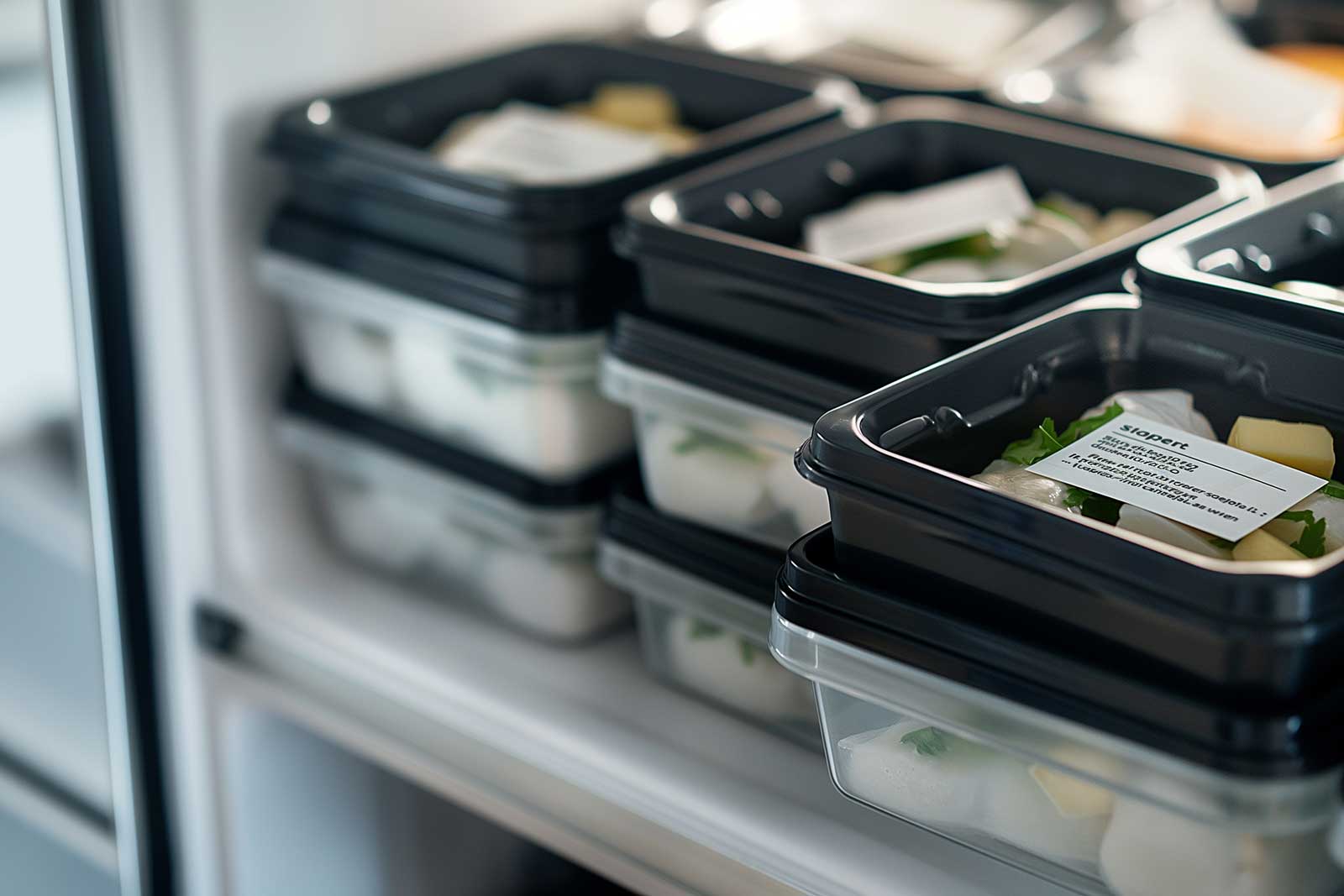
A home-delivered medically tailored meal on a kitchen counter
Image · default-not-demand model

A small nutrition cue can make a whole product look healthier

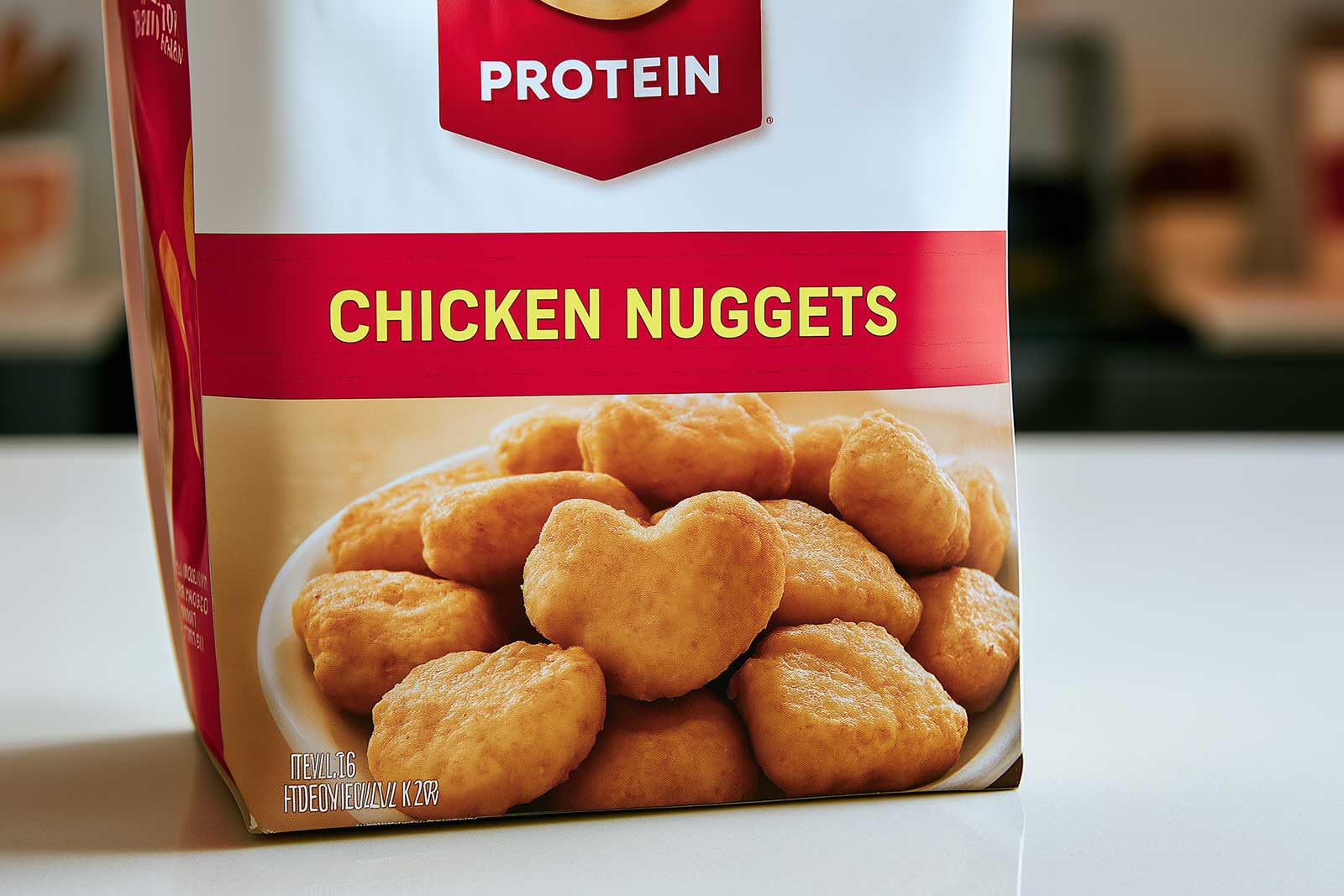
Research on health-halo effects suggests that nutrient claims and positive-sounding nutrition cues can raise perceived healthfulness beyond the specific ingredient being discussed. One paper warns that fortifying ultra-processed products can make unhealthy foods appear more beneficial than they are.2 A separate experiment found that placing the word “protein” in a product title increased perceived healthfulness of the whole bar, even without a formal health claim.3 The risk is not fortification itself. The risk is borrowed trust.

A fast food package label with a fortified-nutrient claim
Image · health halo mechanism

Medication use can look better when someone is watching

Electronic pill-monitor data from 20 patients found compliance at 88% before a clinic visit and 86% just after, then 67% one month later.4 The authors described this as a version of “white-coat compliance”: adherence changing around the moment of measurement. Broader adherence research also shows that patients may hide missed doses to avoid judgment or disapproval.5 The lesson is not that patients are deceptive. It is that care models built on confession and correction misread how behavior actually works.

An electronic pill monitor cap resting on a kitchen counter
Image · white-coat compliance

Fast-casual brands are starting to borrow clinical language

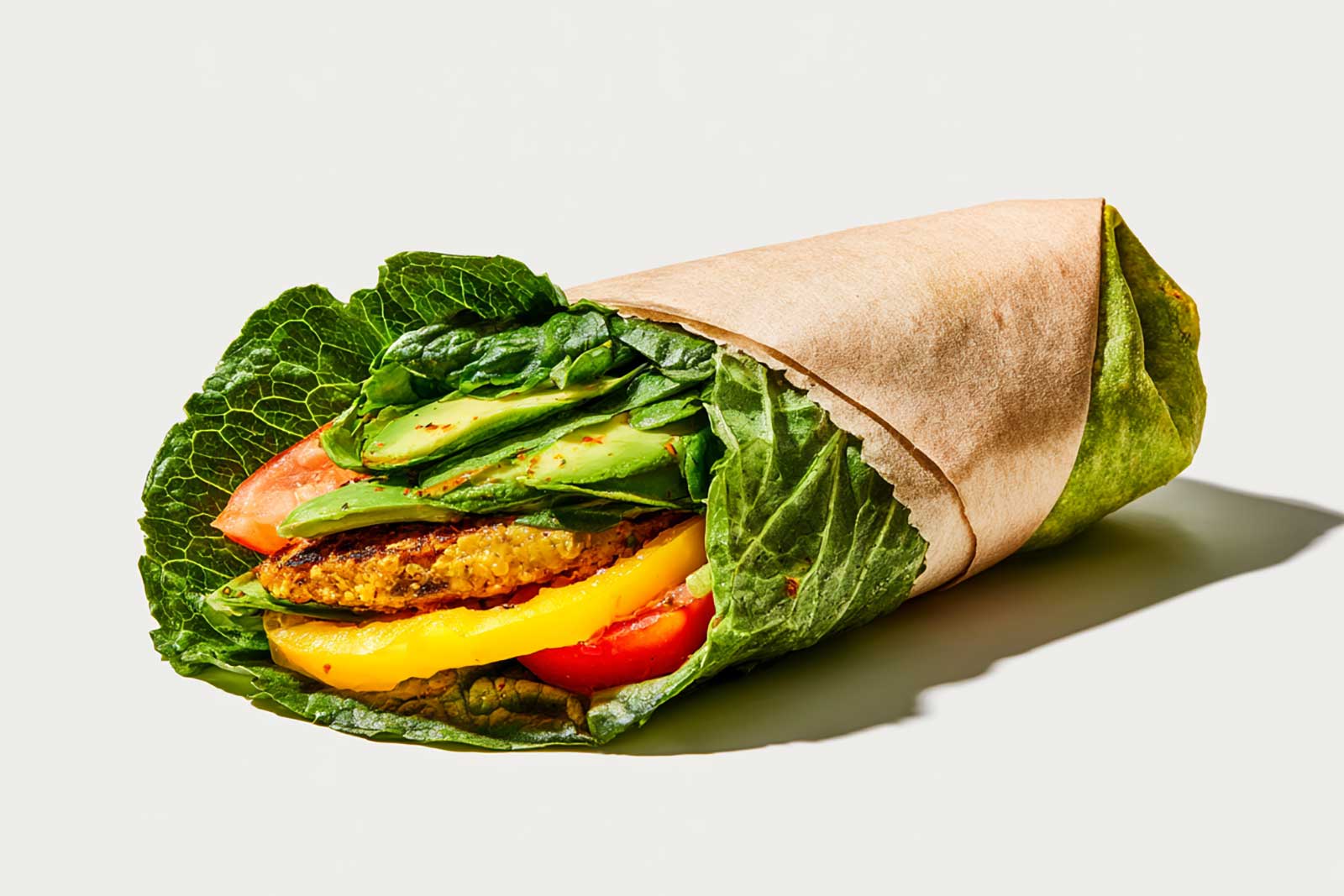
Breadless, a fast-casual chain, markets low-carb and low-glycemic menu ideas for people managing diabetes and blood-sugar stability. That makes it a useful market signal, not clinical evidence. The gap is the point: food brands can move quickly into health-positioned language long before their claims are tested like medical interventions. Health systems should watch the category, but not confuse positioning with proof.

A low-glycemic sandwich wrapped for takeout on a counter
Image · functional fast food market

Signal vs. noise

The signal is not that every healthy food claim has become medicine. The signal is that food-based interventions, choice architecture and health-positioned retail products are moving on different evidence tracks. Some are clinically meaningful. Some are behavioral design. Some are mostly marketing.

Signal

Medically tailored meals have the strongest evidence base

A matched claims analysis found medically tailored meals associated with 49% fewer inpatient admissions, 72% fewer skilled-nursing facility admissions and roughly $753 lower monthly costs per person.6 That level of evidence does not automatically transfer to every produce prescription, grocery voucher or health-positioned retail product.

Noise

“Food is Medicine” is one evidence category

Medically tailored meals, medically tailored groceries, produce prescriptions, nutrition education, retail health claims and functional fast food do not sit on the same evidence base. The phrase is useful only if each intervention states who it is for, what condition it targets and what outcome it can actually support.

Signal

Defaults can outperform information

A pre-filled healthier online shopping cart increased healthy choices where an informational message alone did not.7 A meal-delivery app study found a similar pattern: a reduced-salt default outperformed health-message prompts.8 The lesson is not that information never matters. It is that information often loses when the environment still makes the unhealthy choice easier.

Noise

“Visibility alone changes behavior”

A 12-week supermarket test that moved healthier cereal to a more visible shelf position found no increase in sales.9 Placement can matter, but visibility by itself is weaker than a true default, subsidy, prescription or embedded service.

Noise

“A health claim on the package proves it’s healthier”

A meta-analysis found front-of-pack labels help people identify a healthier product — but can actually raise the perceived healthfulness of indulgent items at the same time.10

What would make this real

As of July 2026

Food is Medicine already exists in strong, mixed and mostly unproven forms side by side. Medically tailored meals have the clearest evidence. Produce prescriptions, grocery supports and health-positioned retail food need more consistent definitions, fidelity checks and outcome measurement before leaders should treat them as one clinical category.

WatchpointWhat would change the decisionCurrent status
Rigorous evidence extends beyond medically tailored mealsProduce prescriptions, medically tailored groceries and broader bundled programs reach evidence quality closer to the medically tailored meal literature.6EmergingMTMs have the strongest evidence; other Food is Medicine models remain more heterogeneous.
A standard, fidelity-checked definition of “Food is Medicine”Coverage requires clear criteria for intervention type, target population, nutrition standard, clinical tailoring and outcome measurement.Not yetThe field has useful definitions, but no single enforcement standard governs the full category.
Grocery and voucher engagement improvesMedically tailored groceries and voucher programs show sustained redemption, use and clinical impact, not just eligibility or enrollment.11EarlyEngagement remains a known challenge, and rates vary by program design.
Health-positioned food claims require stronger substantiationClaims tied to blood sugar, disease management, satiety, metabolic health or clinical outcomes face clearer evidence requirements than ordinary nutrition marketing.2Not yetHealth-halo mechanisms are documented; clinical-claim discipline remains uneven.
Default-based interventions become normalized, not just pilotedPre-filled healthy defaults become a standard feature of institutional and retail food environments, not a research finding.7EarlyThe evidence is solid; adoption at scale still lags.
Nonadherence is treated as a design problem in mainstream practiceCare models are built around not requiring disclosure, rather than continuing to rely on patients to confess and comply.4EarlyUnderstood in the research; not yet the default clinical posture.

How to build readiness

1Build the default, don’t just publish the recommendation

The evidence gap between “tell people what’s healthy” and “make it the easy option” is the whole story here. Treat that gap as the actual design problem.

2Separate nutrition marketing from clinical claims

A product can be lower carb, fortified or high protein without proving it improves a clinical outcome. Any food positioned around disease management needs a higher evidence bar than an ordinary snack wrapper.

3Design so disclosure isn’t required

If patients hide non-adherence out of fear of judgment, the model that doesn’t need a confession to work is inherently more honest about how people actually behave.

4Expect the competitive threat to come from outside healthcare

Retail food, fast-casual restaurants, delivery platforms and grocers can redesign access faster than most clinical organizations can. The threat is not that they already have clinical evidence. It is that they can make a health-positioned choice easier before healthcare makes a medically grounded choice convenient.

The futurist’s take

Nobody is going to comply their way into being healthy.
Somebody’s going to default their way into it instead.

The strongest signal here is not that food has magically become medicine. It is that the health system keeps overestimating information and underestimating friction. When nutrition support is embedded into care, and when healthier choices are easier to take than avoid, behavior can move.

The organizations that get this right will not confuse education with design. They will know where the evidence is strong, where the marketing is ahead of the science and where convenience has quietly become the intervention.

From evidence to artifact

See how we used disciplined imagination to turn weak signals into a tangible artifact from the future.

References

  1. Hager et al. (2025). Medicaid Nutrition Supports Associated With Reductions In Hospitalizations And ED Visits In Massachusetts, 2020-23. doi:10.1377/hlthaff.2024.01409
  2. Kroker-Lobos et al. (2022). Ultraprocessed Products as Food Fortification Alternatives: A Critical Appraisal from Latin America. doi:10.3390/nu14071413
  3. Fernan, Schuldt and Niederdeppe (2018). Health Halo Effects from Product Titles and Nutrient Content Claims in the Context of “Protein” Bars. doi:10.1080/10410236.2017.1358240
  4. Cramer, Scheyer and Mattson (1990). Compliance declines between clinic visits. doi:10.1001/archinte.1990.00390190143023
  5. Stewart, Moon and Horne (2022). Medication nonadherence: health impact, prevalence, correlates and interventions. doi:10.1080/08870446.2022.2144923
  6. Berkowitz et al. (2019). Association Between Receipt of a Medically Tailored Meal Program and Health Care Use. doi:10.1001/jamainternmed.2019.0198
  7. Barea-Arroyo et al. (2025). Nudging by Default or Boosting by Informational Disclosures on Healthy Food Choices. doi:10.1177/15245004251334599
  8. Li et al. (2025). Can behavioural nudges promote reduced-salt dish orders on meal delivery apps? doi:10.1016/j.puhe.2024.12.028
  9. Thorndike (2020). Healthy choice architecture in the supermarket: Does it work? doi:10.1016/j.socscimed.2020.113459
  10. Ikonen et al. (2019). Consumer effects of front-of-package nutrition labeling: an interdisciplinary meta-analysis. doi:10.1007/s11747-019-00663-9
  11. Volpp et al. (2023). Food Is Medicine: A Presidential Advisory From the American Heart Association. doi:10.1161/cir.0000000000001182
Additional references
  1. Mozaffarian et al. (2024). “Food Is Medicine” Strategies for Nutrition Security and Cardiometabolic Health Equity: JACC State-of-the-Art Review. doi:10.1016/j.jacc.2023.12.023
  2. Schwartz (2025). What Is “Food Is Medicine,” Really? Policy Considerations On The Road To Health Care Coverage. doi:10.1377/hlthaff.2024.01343
  3. Shah et al. (2026). Health Systems Approaches for Advancing Implementation and Policy for Food is Medicine. doi:10.1001/jamahealthforum.2025.6866
  4. Kini and Ho (2018). Interventions to Improve Medication Adherence: A Review. doi:10.1001/jama.2018.19271
  5. Gonzales et al. (2022). Identifying and Addressing the “Health Halo” Surrounding Plant-Based Meat Alternatives in Limited-Information Environments. doi:10.1177/07439156221150919
  6. Bacig and Young (2019). The halo effect created for restaurants that source food locally. doi:10.1080/15378020.2019.1592654
  7. Lemken, Wahnschafft and Eggers (2023). Public acceptance of default nudges to promote healthy and sustainable food choices. doi:10.1186/s12889-023-17127-z
  8. Brown et al. (2016). Medication Adherence: Truth and Consequences. doi:10.1016/j.amjms.2016.01.010

The next hard question is coming.

Let’s make sure you have somewhere to take it.

Start a conversation