
H-01.02 / artifact
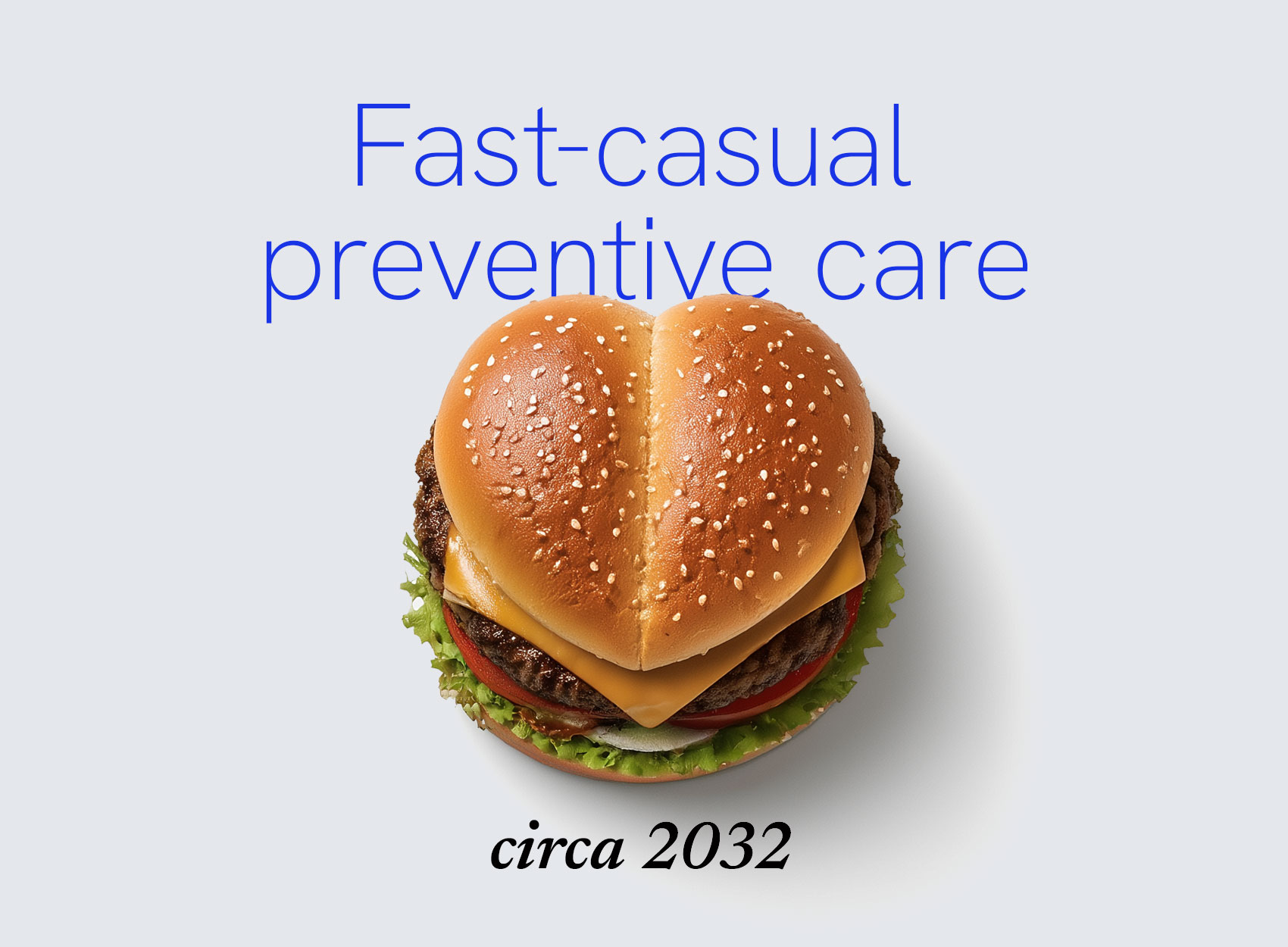
Clinically formulated fast food for effortless wellbeing
Medicine is built on getting patients to comply. Someone just built a version that never asks them to.
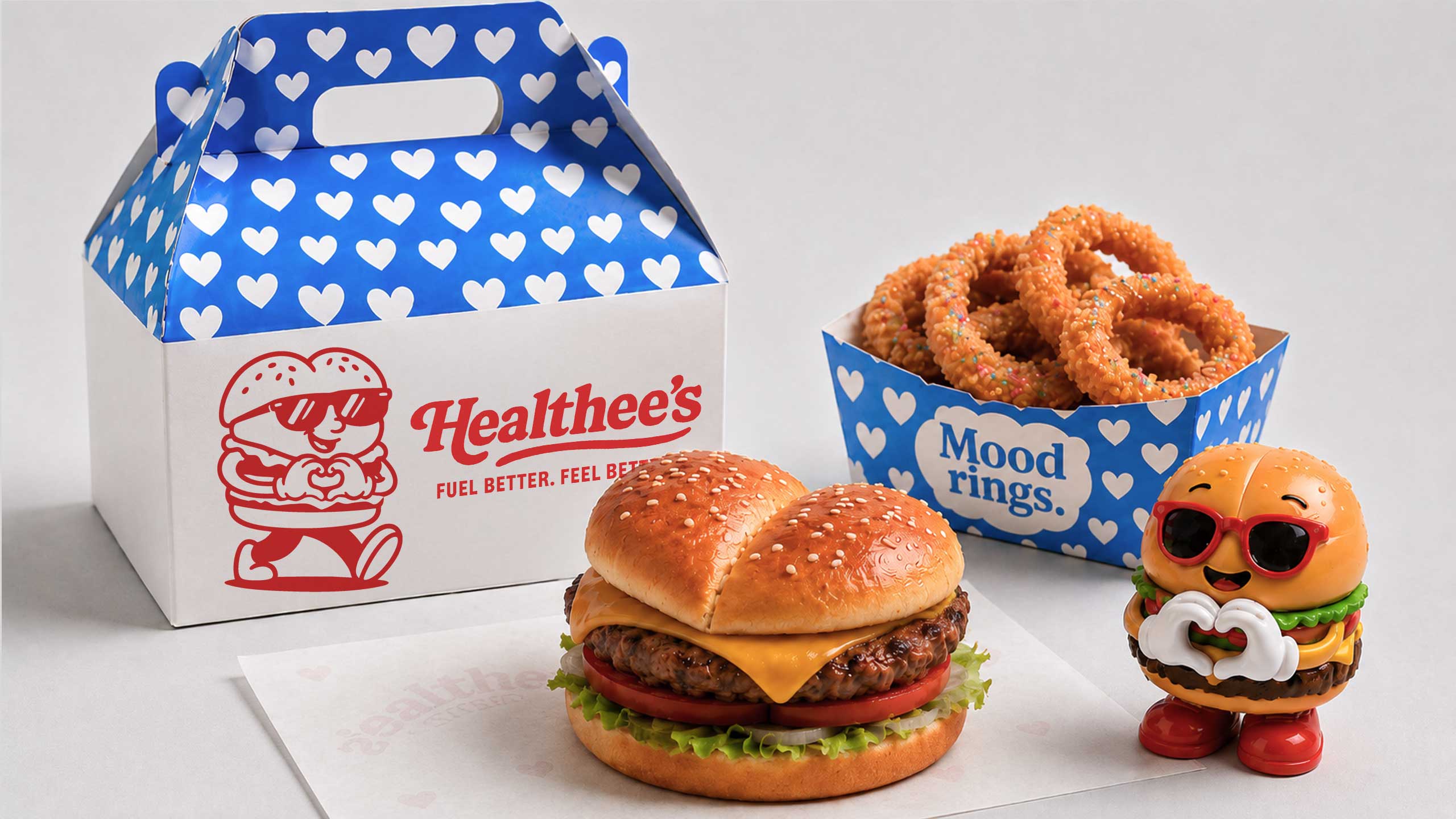
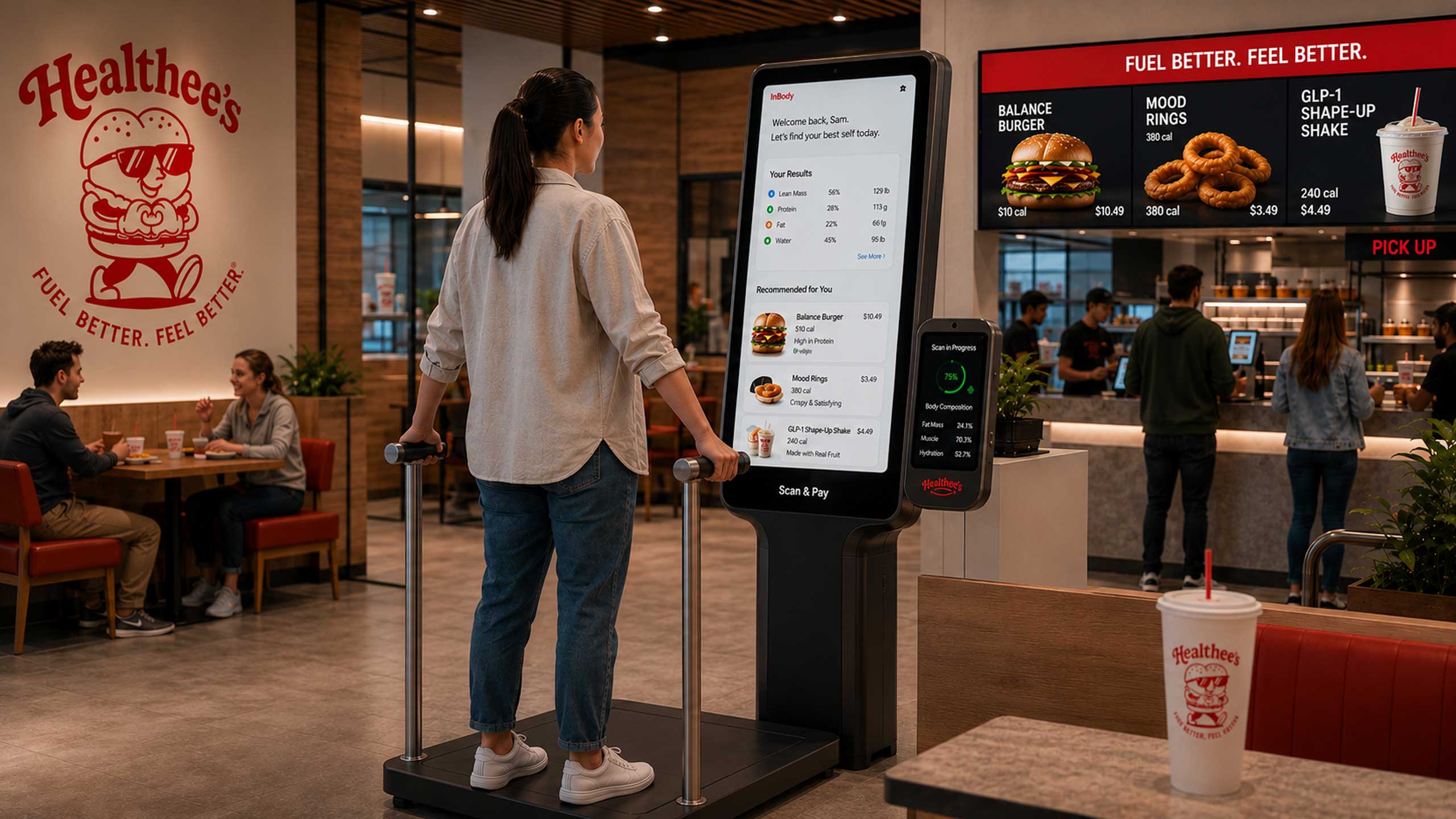
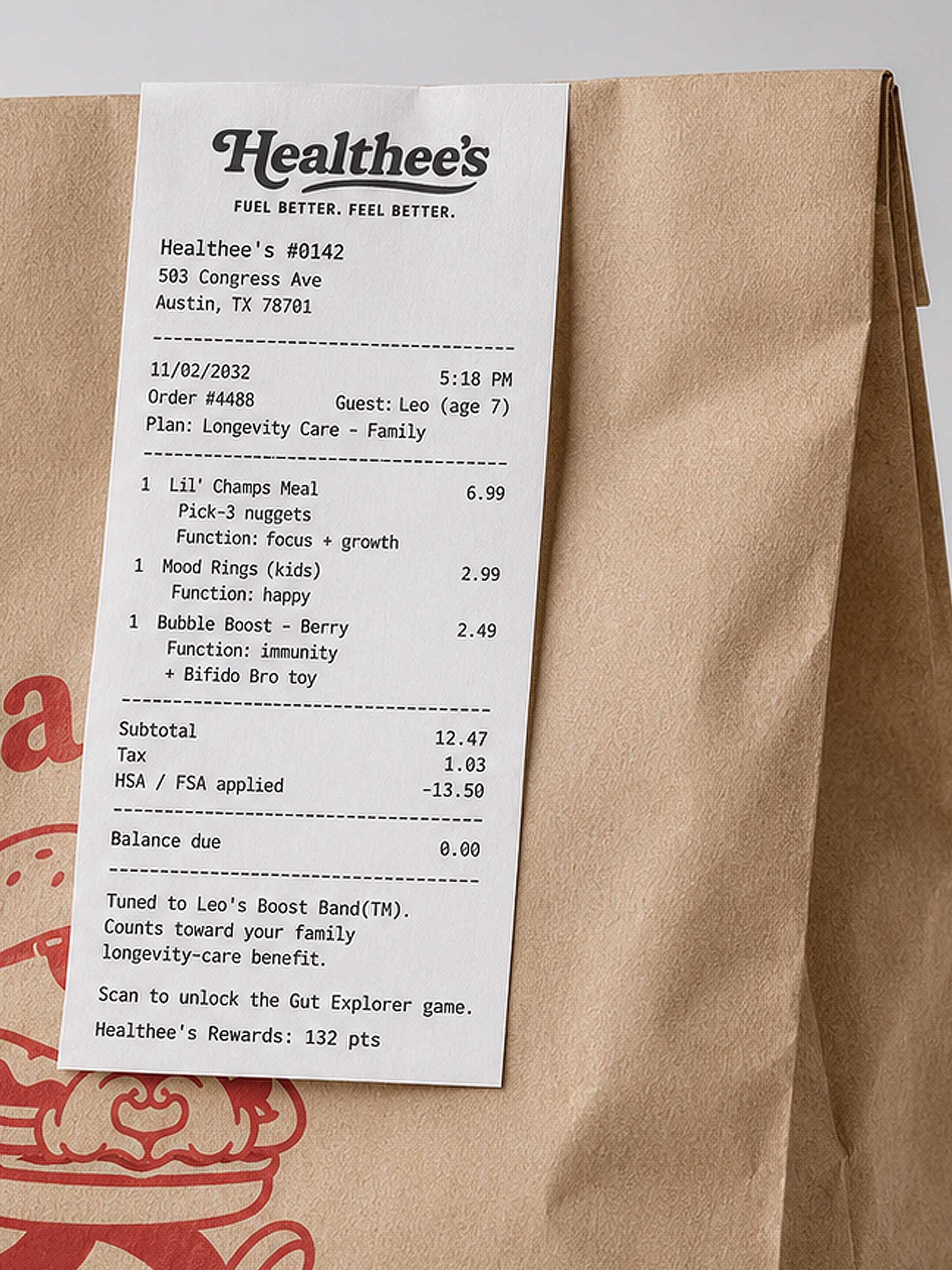
Healthee’s is a fast-food chain that is also, by most of the measures that used to define it, a healthcare company. They sell burgers, onion rings and fizzy drinks engineered for a function: steadier energy, sharper focus, better gut health, a regulated mood. You order by how you want to feel. Some of it is covered by your HSA. It’s craveable, fast and cheap, and it’s also designed to make people healthier, bite after bite.
Getting healthier has traditionally meant doing as you were told. In this future, the health comes along inside the choice people were going to make anyway.

The most effective medicine of the era did not taste like medicine, and no one had to be told to take it.
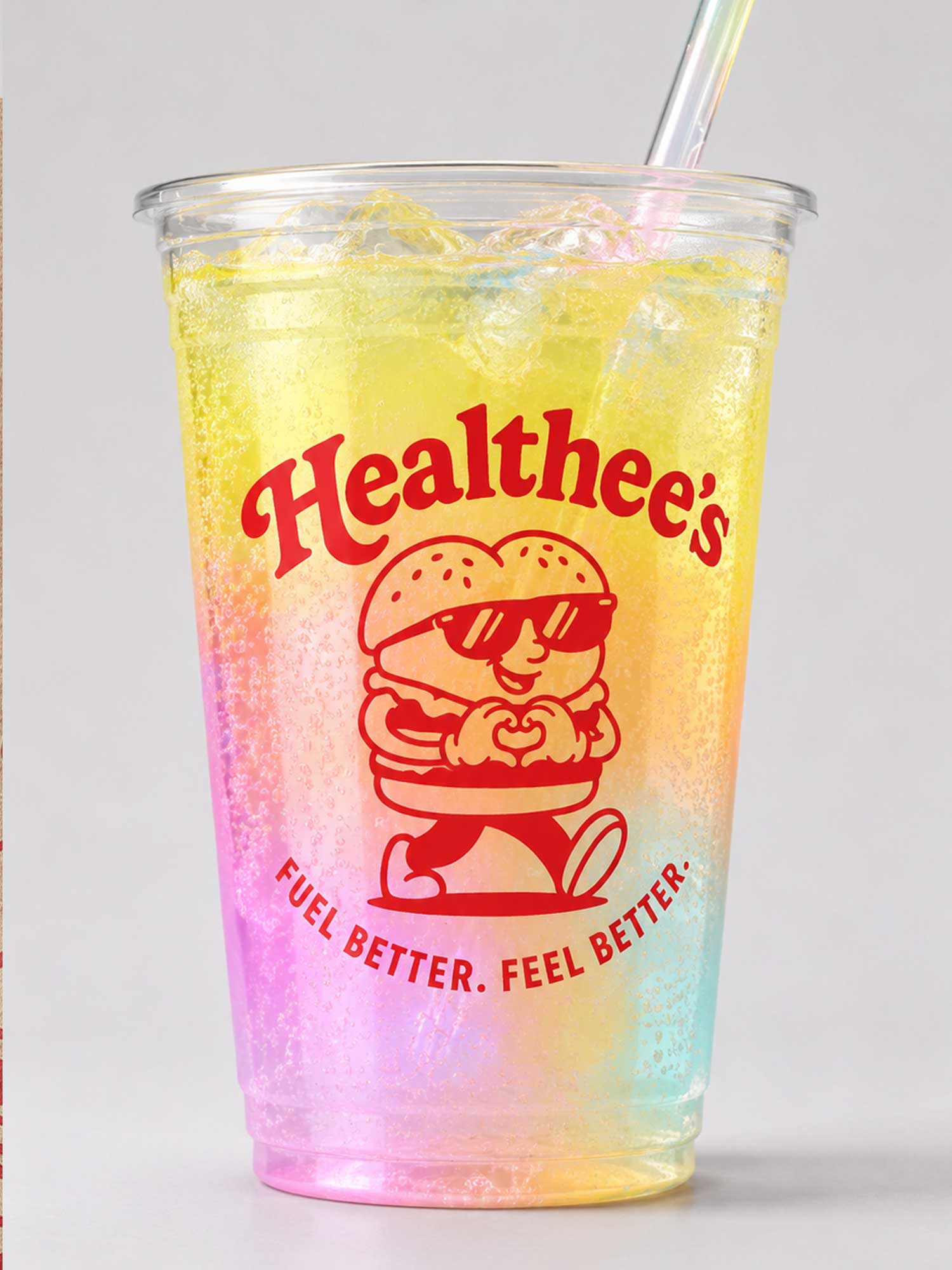
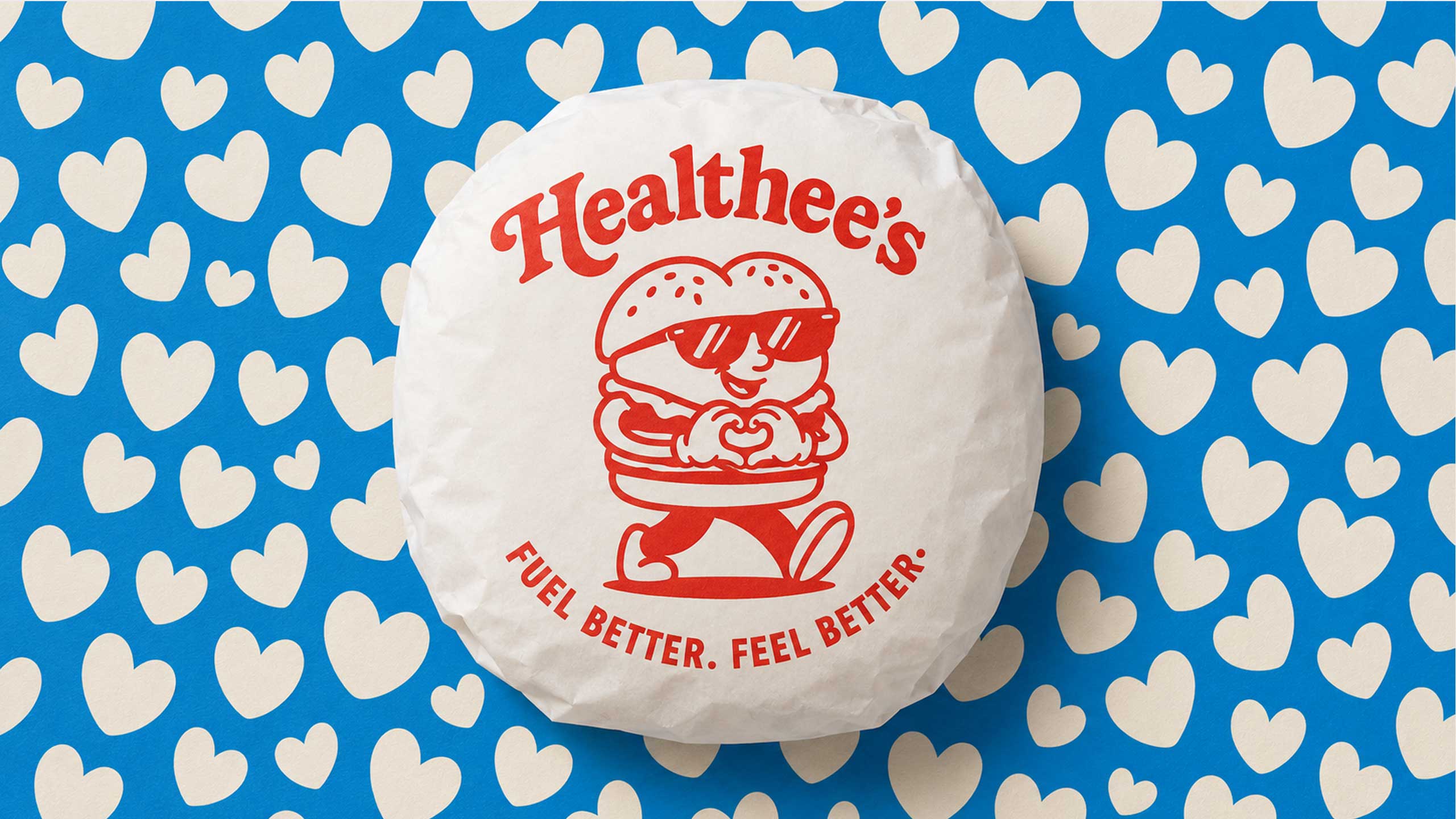
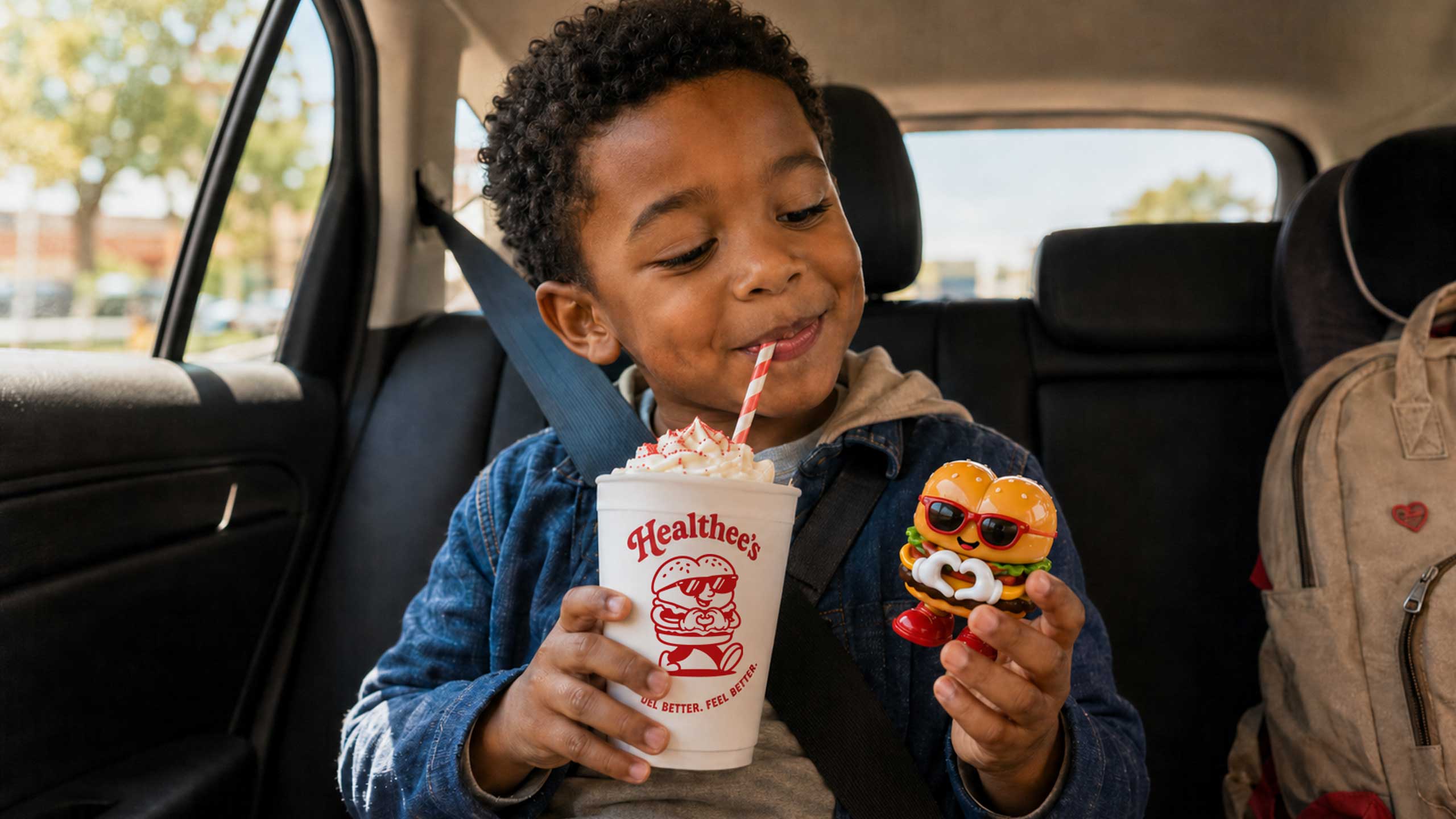
You can prescribe the right thing. You cannot prescribe wanting it.
Medicine runs on the directive. You diagnose, you prescribe, you instruct and you assume that because the advice is correct, it gets followed. Often it does not, and the system has a word for the people it fails: non-compliant. The word quietly puts the failure on the patient. But being told what to do is one of the surest ways to make a person resist it, so the model’s primary tool was always working against itself.
That leaves two ways to play it. Keep running the model on compliance and keep losing the people it was always going to lose, or accept that adherence is a design problem, not a patient defect, and build for a world where health has to be wanted before it is followed. The institutions that win the next decade will not have better instruction. They will have made the healthy choice the one people reach for without being asked.
The patients you marked non-compliant just became your new competitor’s most loyal healthcare consumers. And it’s a burger chain.
See the evidence behind this artifact ↗