Future Artifacts

Signals from the edge

The test moved home. The follow-up didn’t.

Published July 2, 2026

At-home diagnostic testing is not one story. HIV self-testing, HPV self-collection and quality-assured decentralized point-of-care programs show that testing can move outside traditional laboratory walls when the pathway around it is disciplined.157 Other categories are weaker: one app-supported at-home flu test was highly specific, but had low sensitivity for true infections.2 The foresight question is what happens to the person holding an abnormal, confusing or falsely reassuring result once the visit that used to catch it is gone.

A quality-assured decentralized testing network already exists outside the lab

Remote Australia offers one of the clearest examples of decentralized molecular point-of-care testing built for quality-assured use outside conventional laboratory settings.1 The signal is not that every home kit can work this way. It is that testing outside the lab can be reliable when training, quality control, connectivity, clinical governance and follow-up are designed into the model from the beginning.

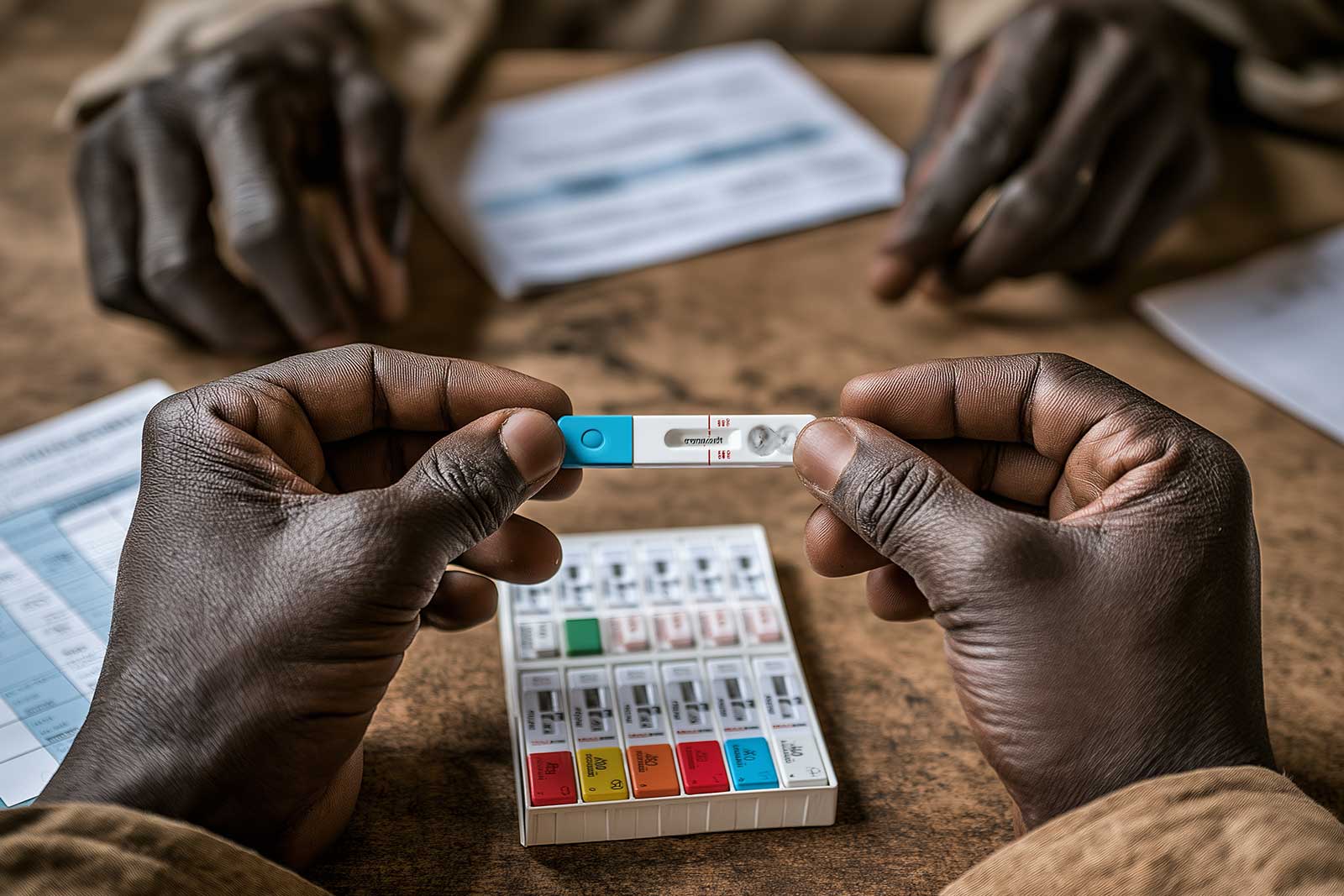
A decentralized point-of-care testing setup
Image · decentralized testing network

A test can be 99% specific and still miss many true infections

One app-supported at-home influenza rapid diagnostic test reported very high specificity, but much lower sensitivity: 28% for influenza A and 32% for influenza B.2 Specificity tells you how rarely the test falsely says positive. Sensitivity tells you how often it actually catches disease. For patients, both numbers matter. A reassuring negative result is only as useful as the test’s ability to find the condition in the first place.

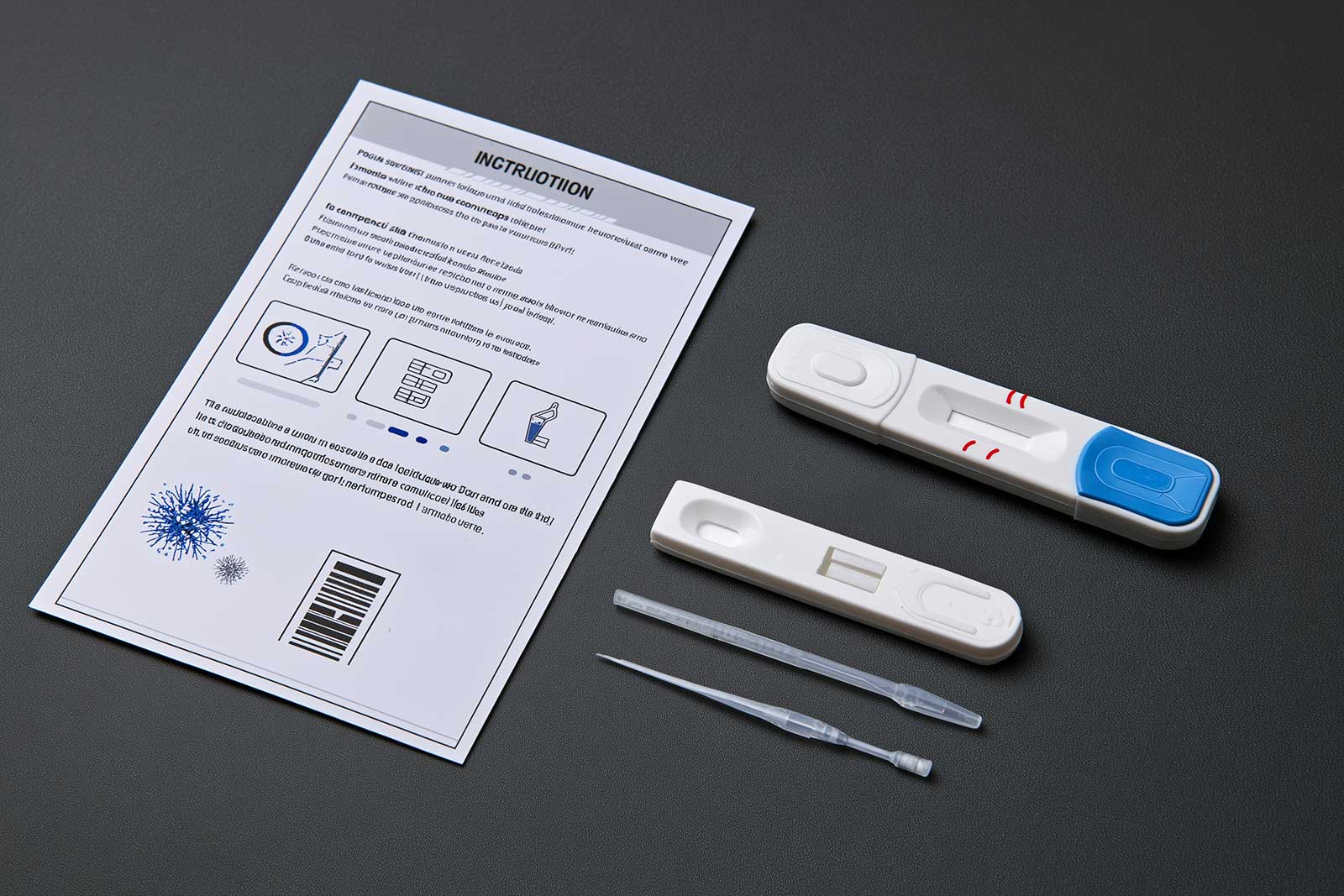
An at-home rapid test kit alongside its results
Image · accuracy versus sensitivity

Trust in a result depends on more than the assay

In an HPV self-collection study, adding education and centralized nurse communication raised patients’ belief that the result was correct from 59% to 86%, and trust from 65% to 90%.3 The assay did not change. What changed was whether a person helped the patient understand the result and the next step.

A phone call between a patient and a nurse explaining a test result
Image · explanation over accuracy

Many direct-to-consumer tests lack clear clinical utility

A review of direct-to-consumer tests advertised online in Australia found only 10.7% had evidence of clinical utility, while nearly 42% were categorized as general “health checks.”4 The problem is not that every DTC test is useless. The problem is that useful screening, general wellness tracking and low-value testing can arrive in the same clinical-sounding package.

A row of at-home test kit boxes on a shelf
Image · clinical utility gap

Signal vs. noise

The signal is not that every test belongs at home. The signal is that some testing pathways are becoming strong enough to move closer to patients, while others are using the language of medicine without the same evidence, oversight or follow-up. These claims sound similar, but they deserve different levels of trust.

Signal

Access gains are real when the pathway is validated end-to-end

HIV self-testing shows high agreement with testing performed by health-care workers.5 Postal STI self-sampling in England was associated with substantially higher chlamydia and gonorrhea testing after implementation.6 Access matters most when collection, testing, communication and treatment pathways are connected.

Signal

For lab-backed self-collection, accuracy can approach clinic collection

A 2025 clinical validation study of vaginal self-collection for cervical cancer screening found high agreement with clinician-collected samples and equivalent sensitivity for cervical dysplasia.7 This is one of the strongest signals in the at-home testing evidence stack, not a blanket endorsement of every home test.

Noise

“At-home testing is clinic-equivalent”

It’s modality-specific, not a blanket property. The same body of evidence that validates HIV and HPV self-collection also contains a flu test correctly identifying roughly a third of actual cases.2

Noise

“Direct-to-consumer” and “clinically integrated” are the same thing

They are not. A home-collected HPV sample processed through a validated lab pathway is different from a wellness test sold online with limited clinical utility. The location of collection matters less than the system around interpretation, escalation and follow-up.

Noise

“More screening is automatically better”

Screening can create harm through unnecessary follow-up, anxiety and low-value testing cascades when it is poorly targeted or poorly connected.8 Population data on cervical screening found 51% of women with a specific high-risk abnormal result had no recorded follow-up within 18 months.9 Access without a connected pathway does not just fail to help. It can create a false sense that care has happened when only testing has happened.

What would make this real

As of July 2026

At-home diagnostic screening already exists in strong, weak and poorly governed forms side by side. HIV self-testing, HPV self-collection, postal STI sampling, retail antigen tests, DTC wellness panels and microbiome tests do not share one evidence base. The question is what would have to change before leaders treat the home as a trusted front door to care, not just a convenient one.

WatchpointWhat would change the decisionCurrent status
Validation improves by categoryWeaker home-testing categories demonstrate stronger sensitivity, usability and clinical utility, rather than relying on the reputation of better-validated categories.2EmergingHIV self-testing and HPV self-collection are comparatively strong; flu antigen testing and some wellness categories remain weaker.
A clearer federal pathway for DTC diagnostic claimsDirect-to-consumer tests that make diagnostic, disease-management or treatment-guidance claims face clearer federal expectations for analytical validity, clinical validity, labeling and consumer support.10Not yetThe 2024 FDA LDT rule was vacated in 2025; oversight remains fragmented across FDA, CLIA, FTC and state-level consumer-protection tools.
Follow-up is built into the testing modelNavigation, recall, counseling and escalation are funded and operationalized as part of the test pathway, not treated as someone else’s downstream responsibility.9EarlyIntegrated models exist in clinical and public-health programs; they are not standard across retail DTC testing.
Independent cross-provider concordance testingConsumer categories like microbiome testing are required to show agreement across competing providers, not just internal validation.11Not yetMajor inter-provider discrepancies already documented.
Sensitivity and specificity are both legible to consumersPackaging, instructions and digital result screens explain sensitivity, specificity and false-negative risk in plain language, especially for tests where a negative result may be falsely reassuring.2Not yetConsumer-facing performance communication remains uneven.
U.S. deployment learns from quality-assured global modelsRetail and DTC platforms adopt the infrastructure discipline of programs like remote Australia’s, not just the convenience.1EarlyThe model exists; U.S. retail scale hasn’t adopted its rigor.

How to build readiness

1Separate access value from clinical value, category by category

A kit that gets more people tested is not automatically a kit that improves health. HIV self-testing and HPV self-collection have stronger evidence because they connect collection, testing and follow-up. Other categories may improve access while still leaving accuracy, interpretation or clinical utility unresolved.

2Fund the follow-up, not just the front door

An unconnected kit can reproduce the recall failures of traditional screening with even less relationship infrastructure around the patient. Navigation, explanation and escalation have to be built into the model, not assumed to happen downstream.

3Treat explanation as part of the product

For many patients, the result is not the endpoint. It is the beginning of uncertainty. Budget for explanation, counseling and next-step support the way you budget for the assay itself, not as an optional service layer.

4Watch quality-assured global models, not just the U.S. retail market

Remote Australia and England’s postal STI program show what disciplined, integrated testing pathways can look like outside traditional clinic walls. The less-regulated end of the DTC market shows the opposite risk: convenience without enough evidence, interpretation or accountability.
The futurist’s take

The kit was never the hard part.
Knowing what to do after is.

The technology curve is arriving fast, and for some tests it already works close enough to the clinic to matter. But the record so far shows that access without a connected system can simply relocate the failure point: from “couldn’t get tested” to “got tested, and nothing happened.”

The organizations that get this right will not be the ones with the most convenient kit. They will be the ones that treat the moment after a result — explained, tracked, followed — as the actual product.

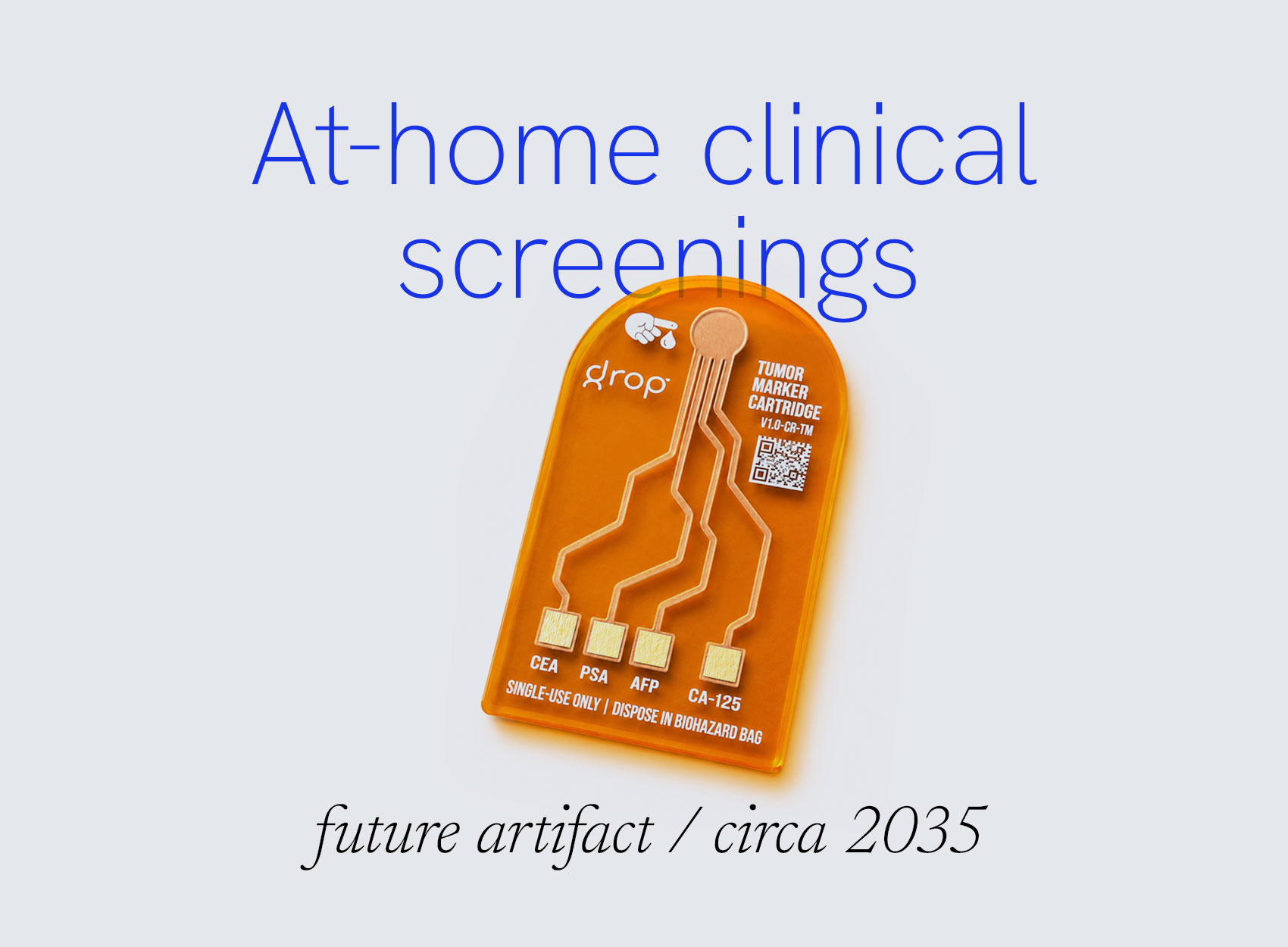
From evidence to artifact

See how we used disciplined imagination to turn weak signals into a tangible artifact from the future.

References

  1. Applegate et al. (2024). Paving the way for quality assured, decentralised point-of-care testing for infectious disease in primary care — Real world lessons from remote Australia. doi:10.1080/14737159.2024.2403091
  2. Kotnik et al. (2022). Flu@home: the Comparative Accuracy of an At-Home Influenza Rapid Diagnostic Test. doi:10.1128/jcm.02070-21
  3. Tiro et al. (2025). Promoting cervical cancer screening via a mailed HPV self-collection kit: Reactions from screeners and non-screeners. doi:10.1016/j.pec.2025.109374
  4. Shih et al. (2023). Direct-to-consumer tests advertised online in Australia and their implications for medical overuse. doi:10.1136/bmjopen-2023-074205
  5. Figueroa et al. (2018). Reliability of HIV rapid diagnostic tests for self-testing compared with testing by health-care workers: a systematic review and meta-analysis. doi:10.1016/s2352-3018(18)30044-4
  6. Gibbs et al. (2025). Sexually transmitted infection testing and key outcomes following implementation of online postal self-sampling into sexual health services in England. doi:10.1016/j.lanepe.2025.101541
  7. Fitzpatrick et al. (2025). Clinical Validation of a Vaginal Cervical Cancer Screening Self-Collection Method for At-Home Use. doi:10.1001/jamanetworkopen.2025.11081
  8. Yong, Wong and Voo (2022). Screening is not always healthy: an ethical analysis of health screening packages in Singapore. doi:10.1186/s12910-022-00798-5
  9. Perkins et al. (2021). Clinical follow-up practices after cervical cancer screening by co-testing. doi:10.1016/j.ypmed.2021.106770
  10. U.S. Food and Drug Administration. Laboratory Developed Tests. Updated September 19, 2025. Notes that the May 2024 LDT final rule was vacated on March 31, 2025, and that FDA reverted the regulation text. FDA LDT page
  11. Servetas et al. (2026). Evaluating the Analytical Performance of Direct-to-Consumer Gut Microbiome Testing Services. doi:10.1038/s42003-025-09301-3
Additional references
  1. Brodney et al. (2024). Barriers and proposed solutions to at-home colorectal cancer screening tests in medically underserved health centers. doi:10.1002/cam4.70040
  2. Versluis et al. (2021). Direct Access for Patients to Diagnostic Testing and Results Using eHealth: Systematic Review. doi:10.2196/29303
  3. Smith et al. (2024). At-home specimen self-collection as an additional testing strategy for chlamydia and gonorrhoea. doi:10.1136/bmjgh-2024-015349
  4. Atlas et al. (2024). Patient Perceptions on the Follow-Up of Abnormal Cancer Screening Test Results. doi:10.1007/s11606-024-09128-4
  5. Winer et al. (2022). Effect of Patient Characteristics on Uptake of Screening Using a Mailed HPV Self-sampling Kit. doi:10.1001/jamanetworkopen.2022.44343
  6. Hoffmann et al. (2025). Is the current regulatory framework for direct-to-consumer microbiome-based tests sufficient to protect consumers? doi:10.1093/jlb/lsaf024
  7. Kalokairinou et al. (2020). The promise of direct-to-consumer COVID-19 testing: ethical and regulatory issues. doi:10.1093/jlb/lsaa069
  8. Jiang, Lebo and Schultz (2024). Public Perspectives on Direct-to-Consumer Testing Oversight. doi:10.1007/s43441-024-00685-8

The next hard question is coming.

Let’s make sure you have somewhere to take it.

Start a conversation