H-01.06 / artifact
Home-based clinical screening for early detection and monitoring
Your referral network assumes you own the front door. It just moved.
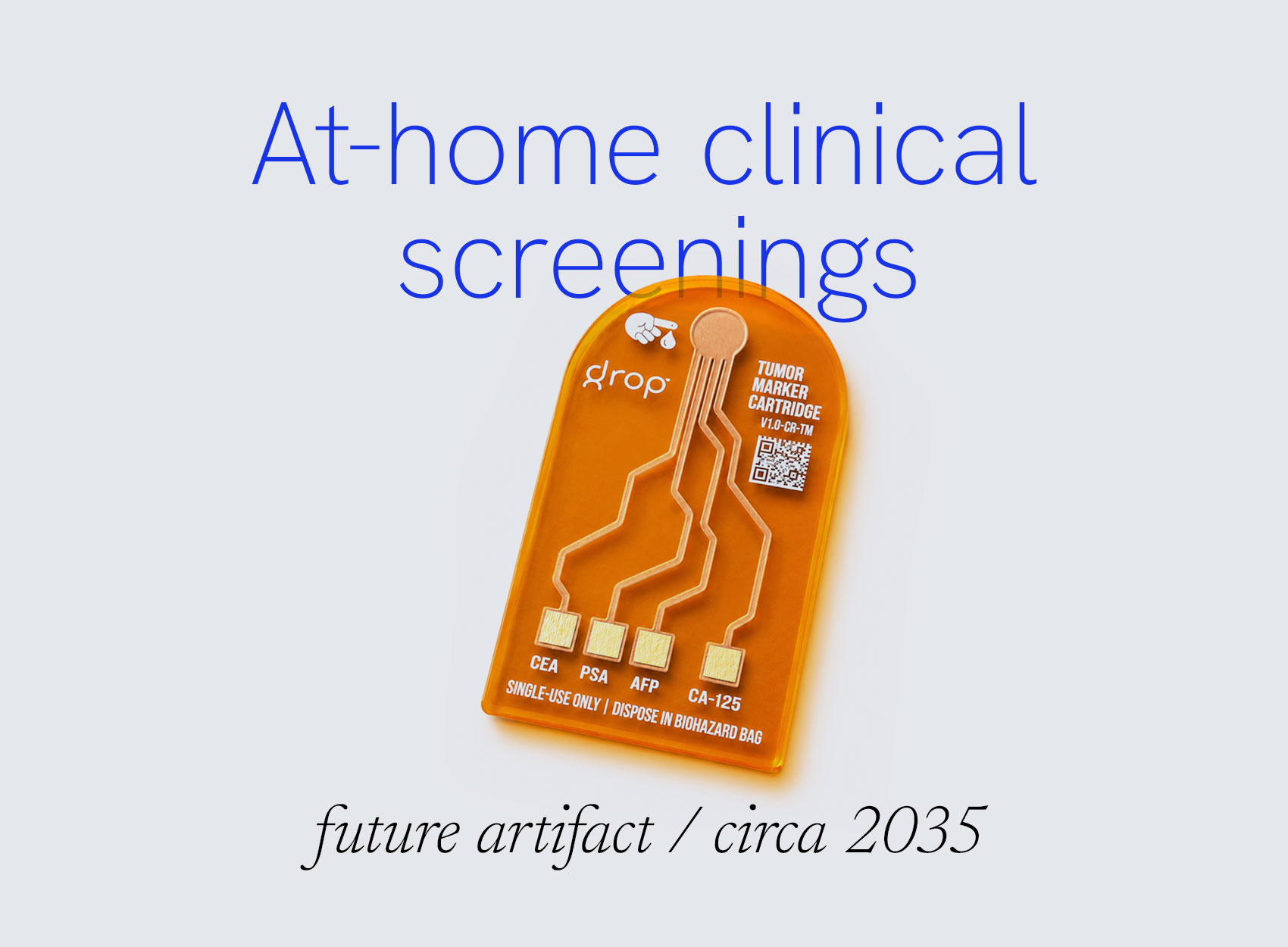
This is what screenings look like in a future with no orders, no insurance approvals, no trips to the lab or imaging center. A simple kit sent straight to patients’ doors on an automated schedule calibrated to their individual circumstances. One quick finger-prick and a droplet onto a diagnostic cartridge gives near-instant results.
Screening this accessible is a real win for population health. It is also a quiet hit to referral pipelines. The findings that lead to specialist visits, admissions and treatments still occur. Providers just no longer directly influence the path to getting there.

Much of what a system reads as loyalty is just the absence of an alternative. This is the alternative, delivered cheaply (and automatically) to your doorstep.
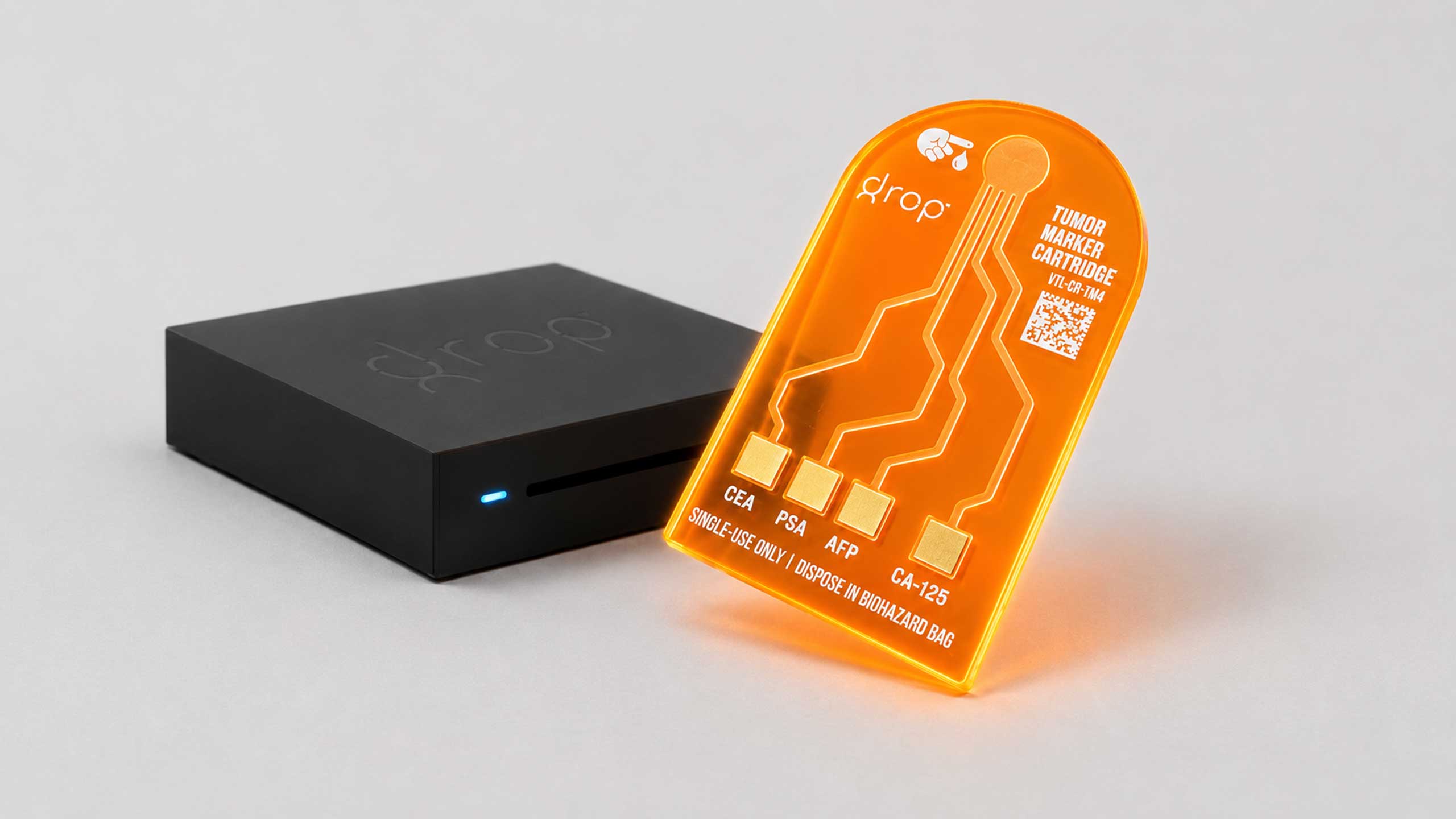
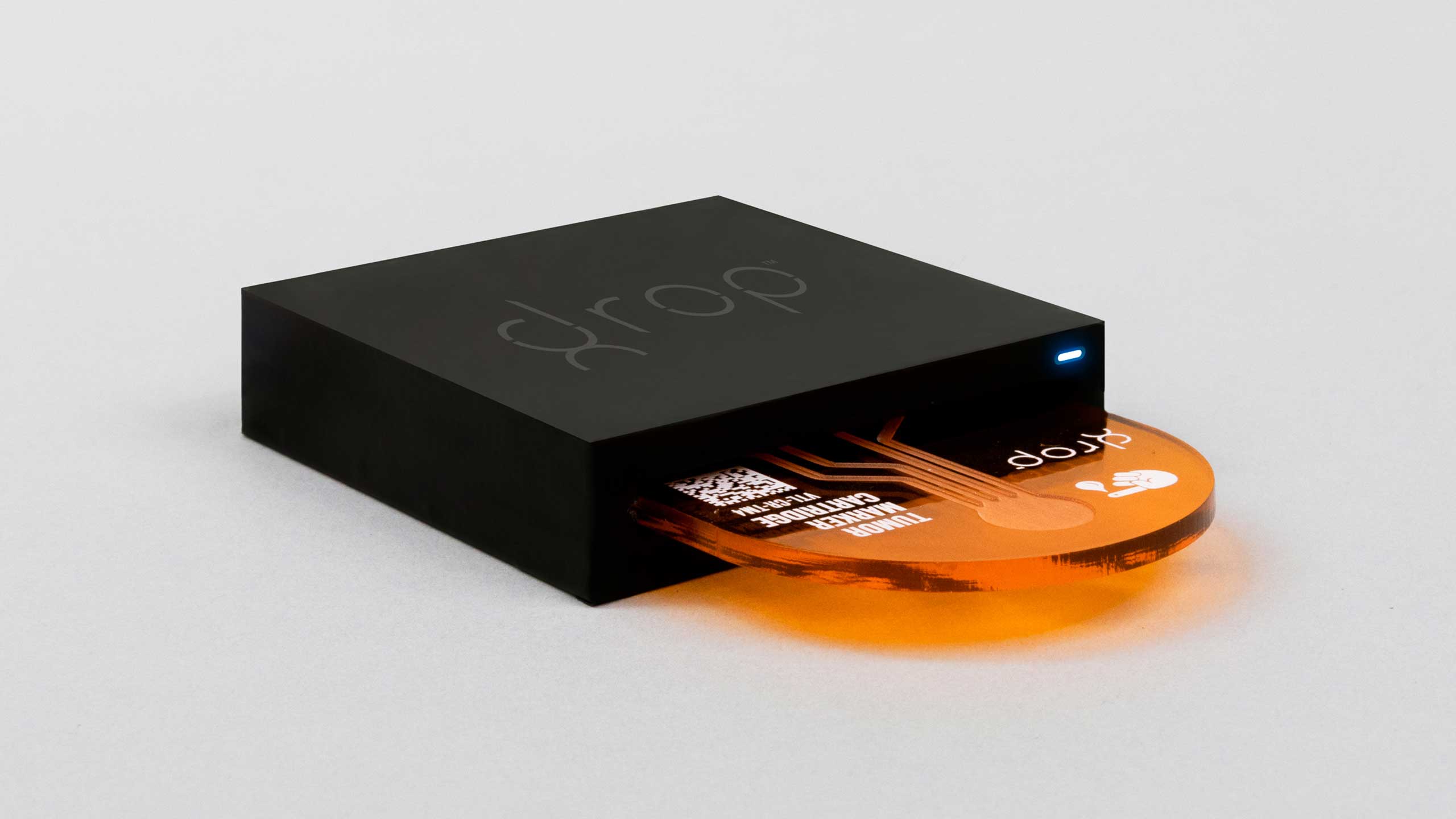
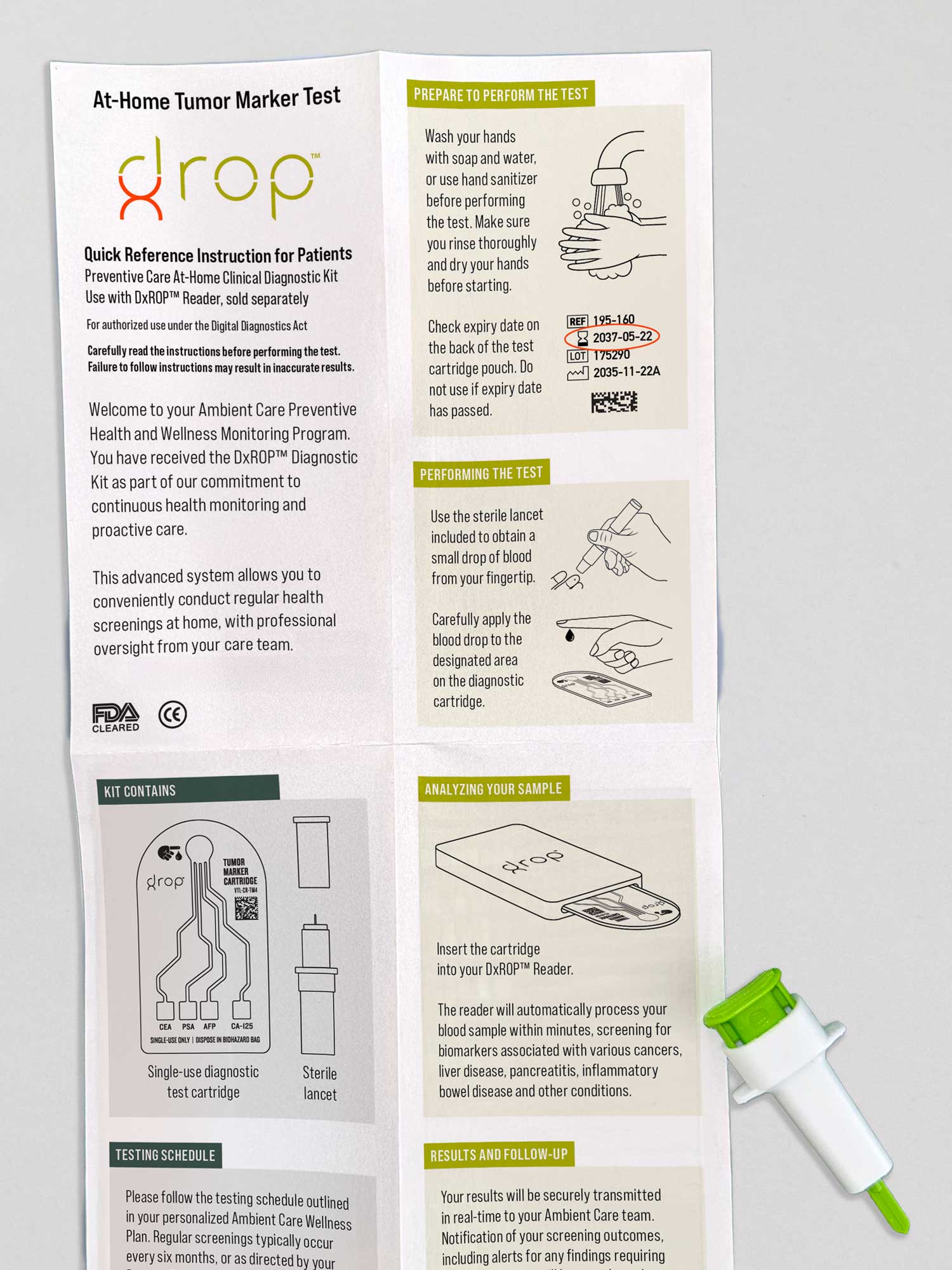
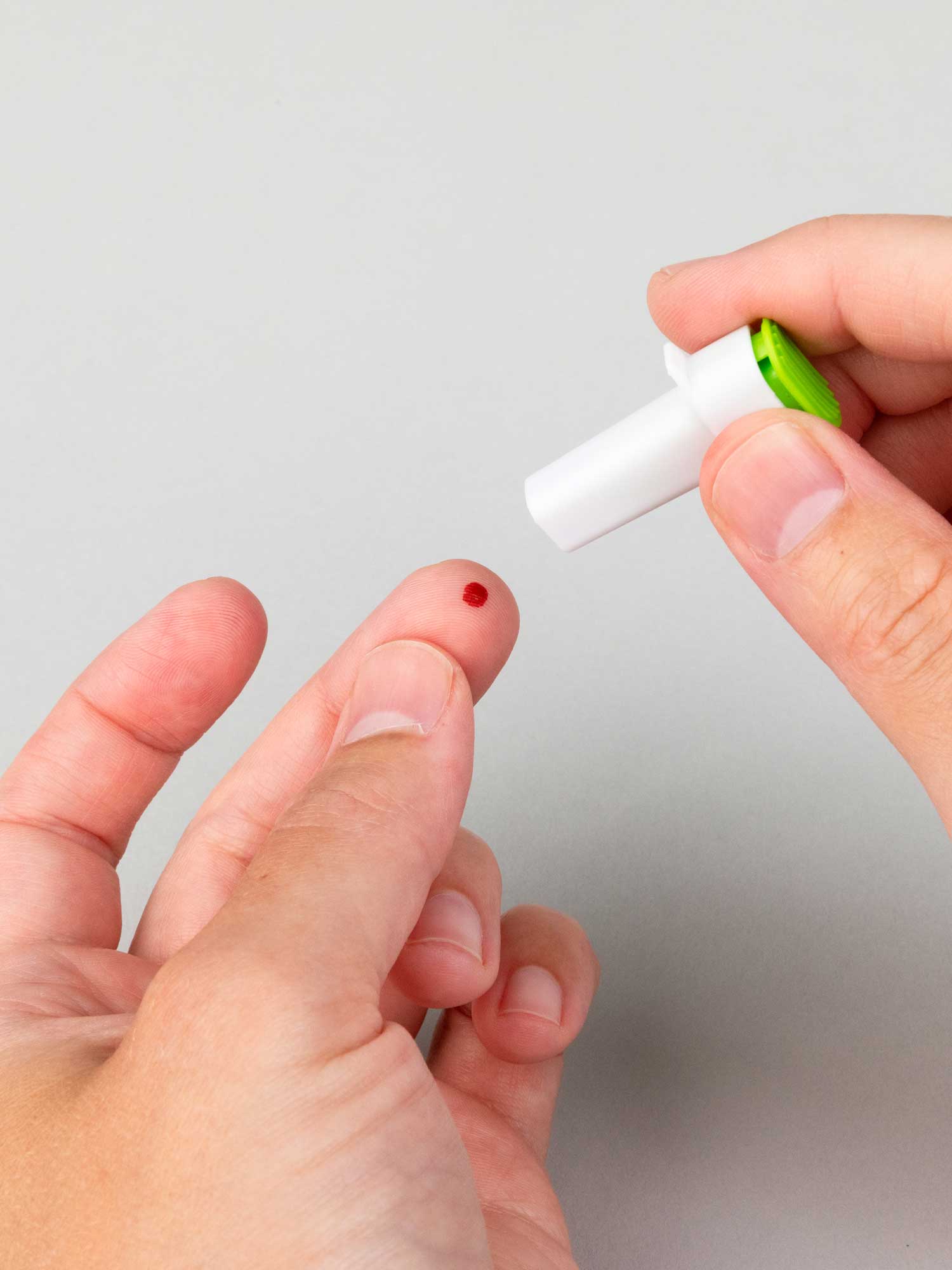
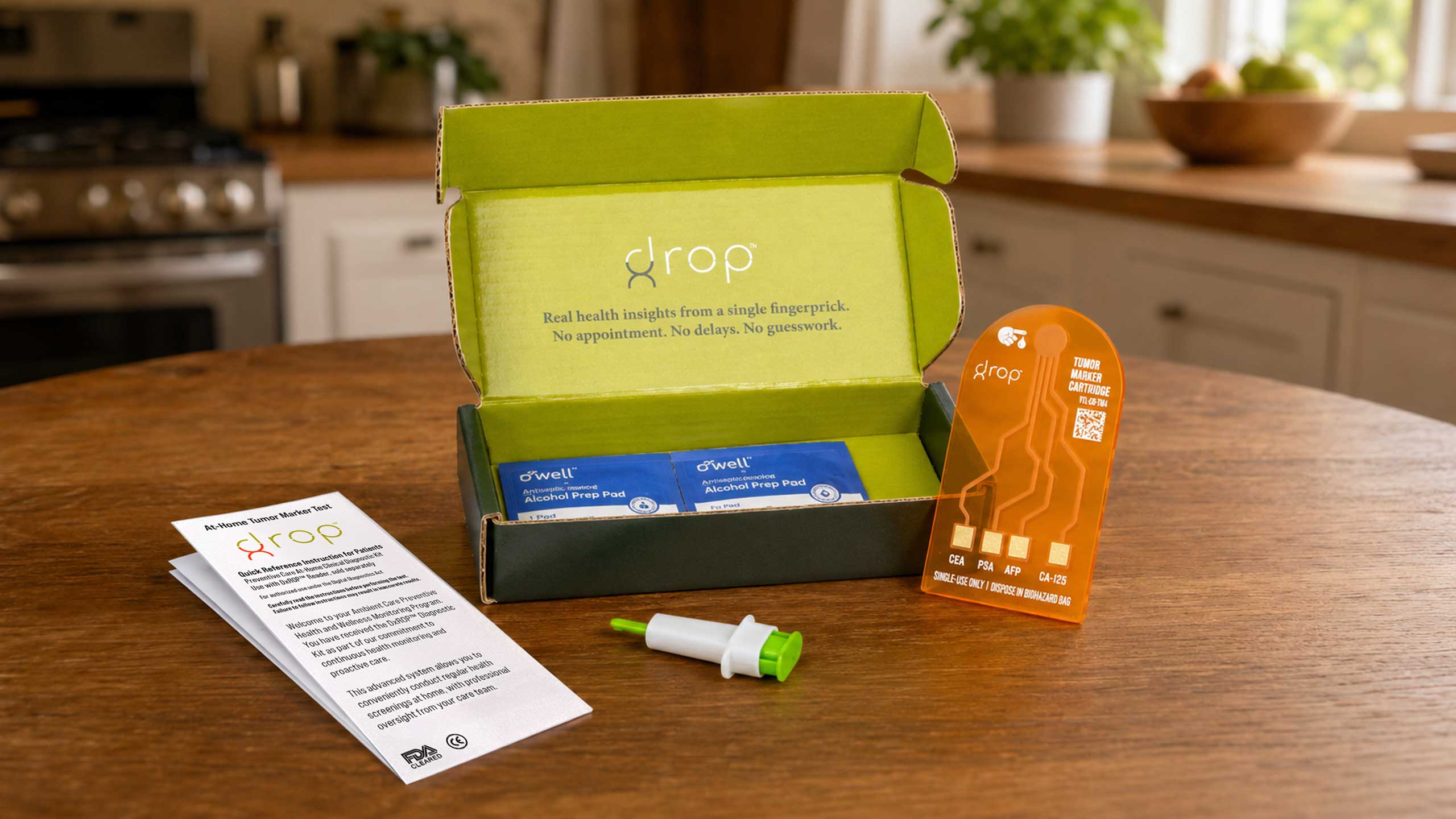
When the diagnostics are run at the kitchen table, no clinician orders them and none reads them first.
For decades, the conversation about diagnostic findings was led by clinicians, who shaped everything after it: the referrals, the timelines and where the care happened. Separate the diagnostics from the clinician, and that presence is gone. The institution that used to influence what came next is left hoping to be chosen after the fact. The influencer becomes the influencee.
Today’s healthcare system is built on the assumption of clinician involvement: the referral relationships, the service lines, the capital riding on them. When that workflow breaks, so does the revenue cycle underneath it.
The front door moved. The question is: where does the new one lead? And how much time do you have to answer before the company that ships this kit answers for everyone?
See the evidence behind this artifact ↗