Restorative biophilia
Plants, moss, daylight and natural materials are moving from design gestures to environmental conditions leaders are expected to understand, measure and manage — changing how places support recovery, focus, trust and wellbeing.
Change driver · Updated July 2026
The shift ahead
From static shelter to living infrastructure
Nature has always shaped how places feel. What is changing is the expectation that those effects can be designed for, measured and managed.
A green wall is no longer just a gesture of warmth. Daylight is no longer just an architectural feature. Air quality is no longer just a facilities issue. Together, these conditions are becoming part of how buildings, neighborhoods and cities are judged.
The shift is not that every space needs more greenery. It is that nature, light, air and materials are being asked to do more than create a feeling. They are being asked to support outcomes leaders can name, test and manage.
Why it matters
As the effects of place become easier to measure, they become harder to treat as matters of taste.
Air, light, sound, shade, materials, planting, water and access to nature are moving closer to the core questions of infrastructure: how places support people, what they cost to operate, how they are valued and what risks they create.
At building scale, this shows up in healthier workplaces, schools, hospitals and housing. At neighborhood and city scale, it shows up in shade corridors, heat mitigation, stormwater landscapes, public space, walkability and access to restorative environments.
Possible futures this could enable
-
01
Buildings that host living systems
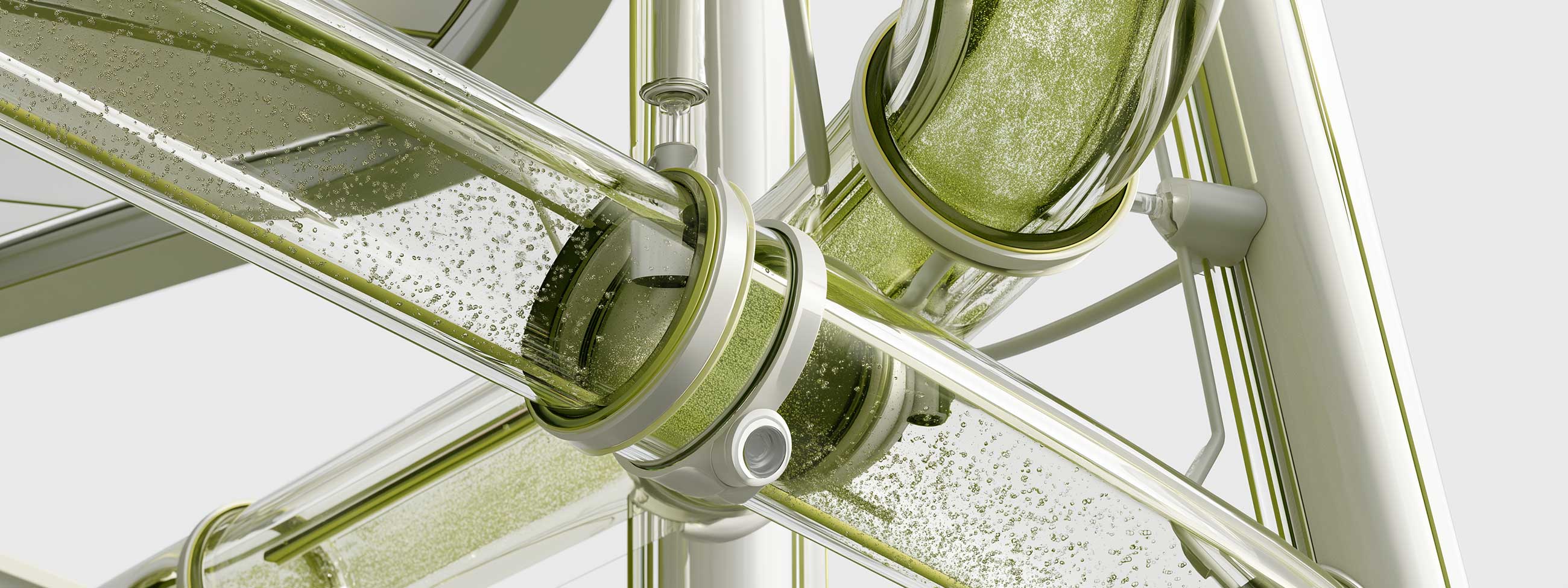
Facades and interiors where moss, algae and engineered plants are treated as part of building systems — not decoration.
Early signalHamburg’s BIQ House has cultivated live microalgae in 129 glass bioreactors since 2013. It does not prove that buildings can clean their own air. It does show living matter moving from visual feature to working building component.
-
02
Care environments designed for recovery
Daylight, air quality and contact with nature treated as part of how care settings support rest, orientation, stress reduction and recovery — not as decorative finish.
Early signalHealthcare design research continues to associate daylight, nature views and environmental quality with recovery-related outcomes, including length of stay, pain and staff wellbeing. The signal is not a single number. It is the move from “nice environment” to evidence-informed care setting.
-
03
Real estate priced on human performance
Buildings financed and valued not only on location, energy and amenities, but on whether they can credibly support health, comfort, focus and productivity.
Early signalMore than 6 billion square feet of space is now engaged with the WELL standard — twelve times its 2020 footprint — and MIT research links healthy-building certifications to rent premiums of 4.4–7.7% per square foot.
Right now, it’s mostly atmosphere.
A lot of what gets called “biophilic” is still decorative: greenery, natural textures, daylight or water used to make a place feel calmer, warmer or more premium. That does not make it meaningless. It does mean the category is still sorting itself out.
The line that will matter as it matures is the line between nature as visual language and nature as infrastructure: interventions that change the air, light, heat, sound, water or experience of a place in ways that can be understood over time.
Watch what nature is being asked to do.
The driver gets stronger when nature-based design moves beyond visual language and starts carrying operational, clinical, financial or civic expectations: reduce heat, improve air, support recovery, calm stress, manage water, orient people or make public space more restorative.
The question is not whether a place looks more natural. It is whether nature is becoming part of how the built environment is specified, maintained, measured and valued.
This is one force among many.
We track the ones that will reshape your field, and what to do about them.