Academic medicine + AI-native systems
Transforming academic medicine for the Age of Intelligence
Reimagining care, research, learning and the operating logic of an AI-native academic medical center.

Reimagining care, research, learning and the operating logic of an AI-native academic medical center.
In partnership with The University of Texas at Austin Dell Medical School and the nation’s leading cancer center, we’re helping shape an integrated academic medical ecosystem, designed to coordinate care delivery, ambulatory services, research, learning and an intelligent environment as one living system.
The ongoing effort informs long-horizon thinking for an emerging academic medical environment, exploring how intelligence may become embedded into the coordination, delivery and experience of healthcare itself.
What becomes possible when intelligence is designed into the operating fabric of the institution itself?
Most healthcare systems were designed for a different era. Care remains fragmented across encounters, settings and teams. Coordination depends on manual effort and institutional workarounds. Research, learning and operations function through separate organizational structures.
Academic medical institutions now face mounting pressure from multiple directions at once. Each is significant on its own; together they constitute a structural shift in the conditions under which institutions operate.
Rather than treating care, research, learning and operational coordination as separate institutional functions, the effort examines how they may increasingly operate as interconnected systems.
Areas under exploration span the institutional stack: from the environments care happens inside, to the coordination logic underneath, to the workforce structures around it. Many organizations continue refining the existing healthcare model. This initiative explores what a fundamentally different model could become.
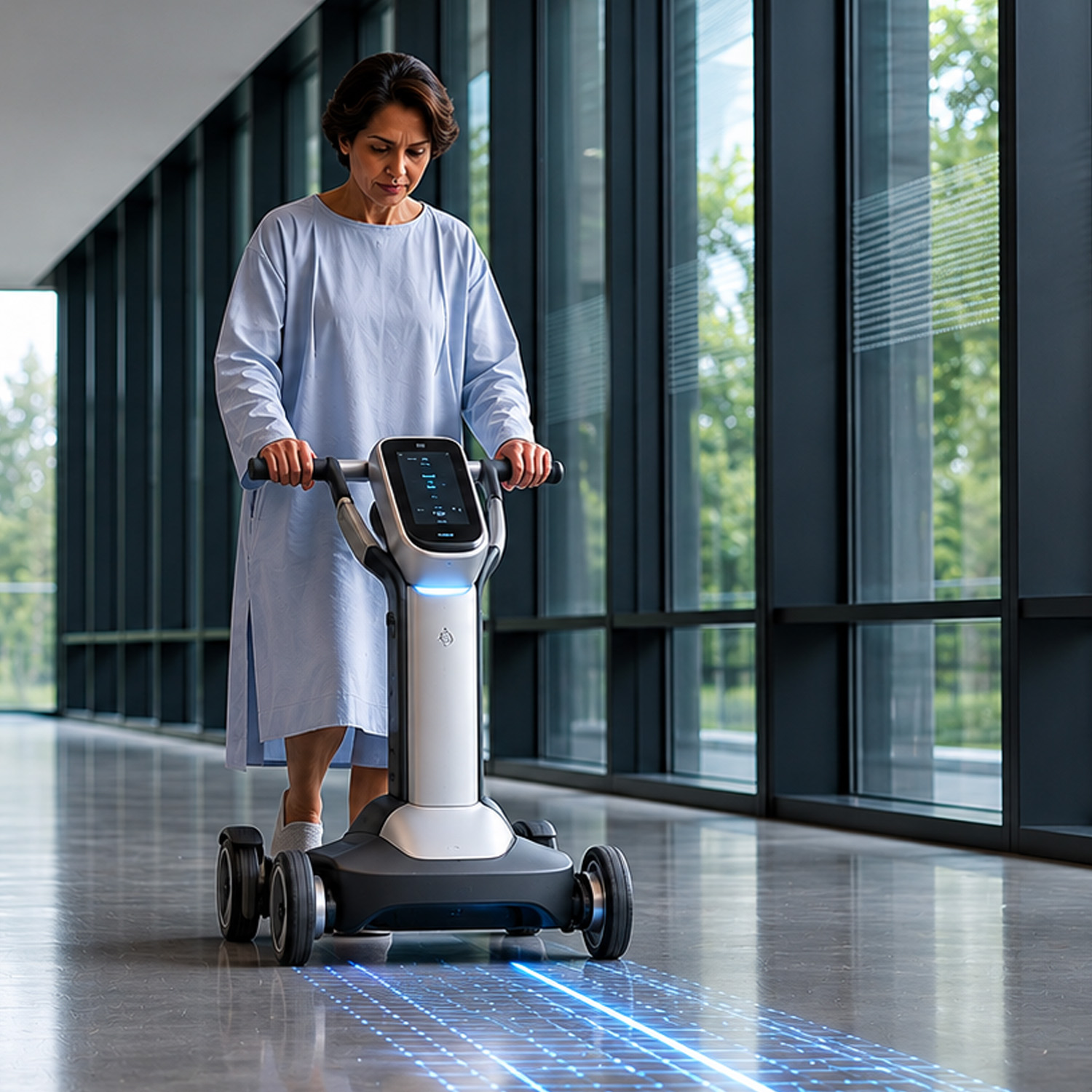
Technology should operate as a quiet background layer that absorbs friction, coordination and administrative burden so human attention and connection can move to the foreground.
The less visible the technology becomes, the more human judgement and experience can lead.
The effort is helping leaders evolve academic medicine as intelligent systems become integrated into care, research and organizational decision-making.
Rather than focusing on new technologies, the work examines how continuity can extend across environments and time, how operations can coordinate more intelligently and how research and learning can integrate directly into care delivery.
The result is a more adaptive, coordinated and human-centered ecosystem designed for the realities of the next era, not the assumptions of the last.

What matters most is not the technology people see, but the invisible orchestration they no longer have to think about.
Start a conversation ↗
A leadership system designed to align decisions, governance, behaviors and coordination for organizations under continuous disruption.
View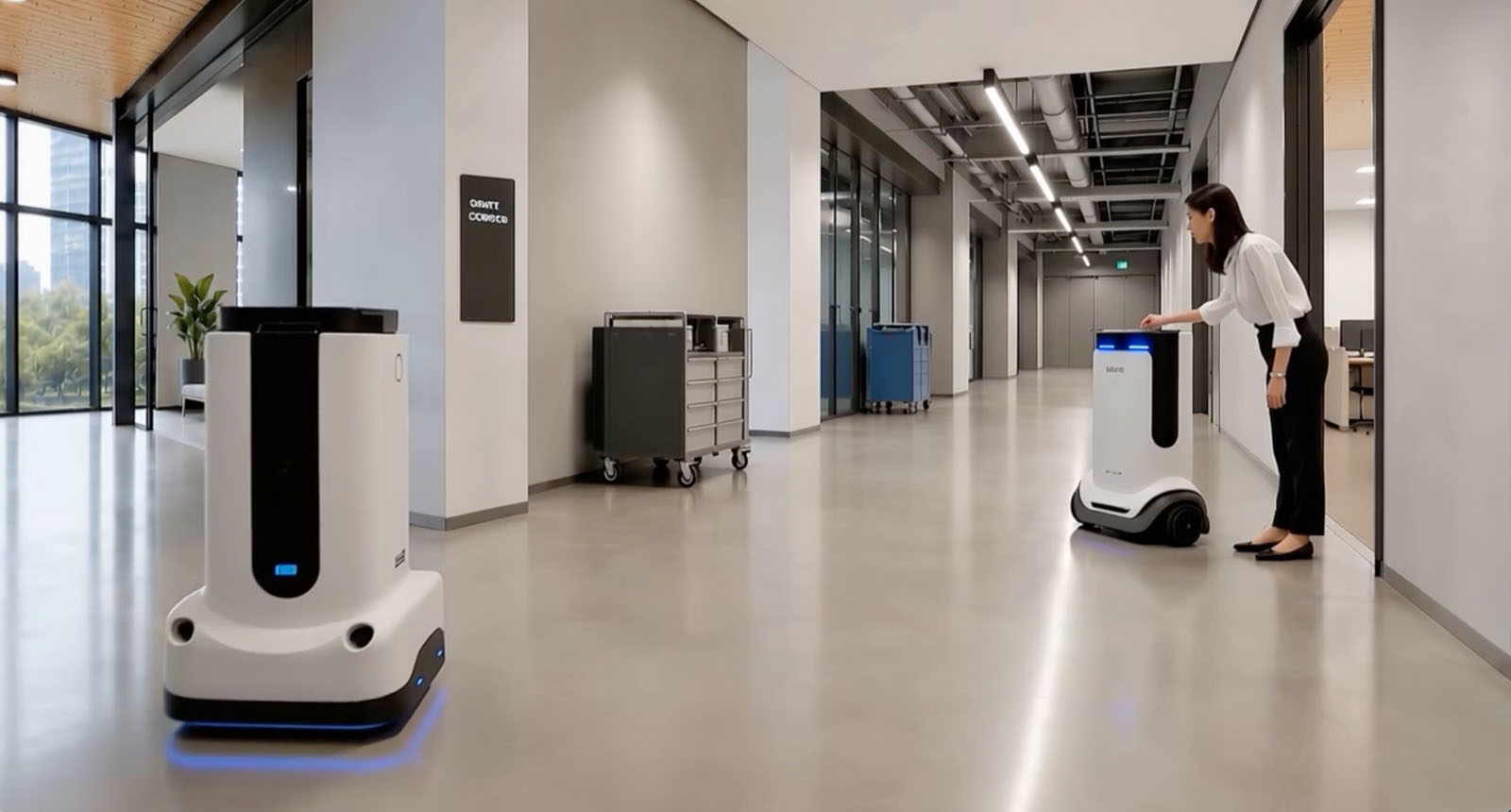
Role, workflow and coordination design for a future where human and synthetic contributors increasingly share the work, judgment and responsibility.
View
Designing support, coordination and continuity beyond the hospital encounter, where most recovery actually happens.
View