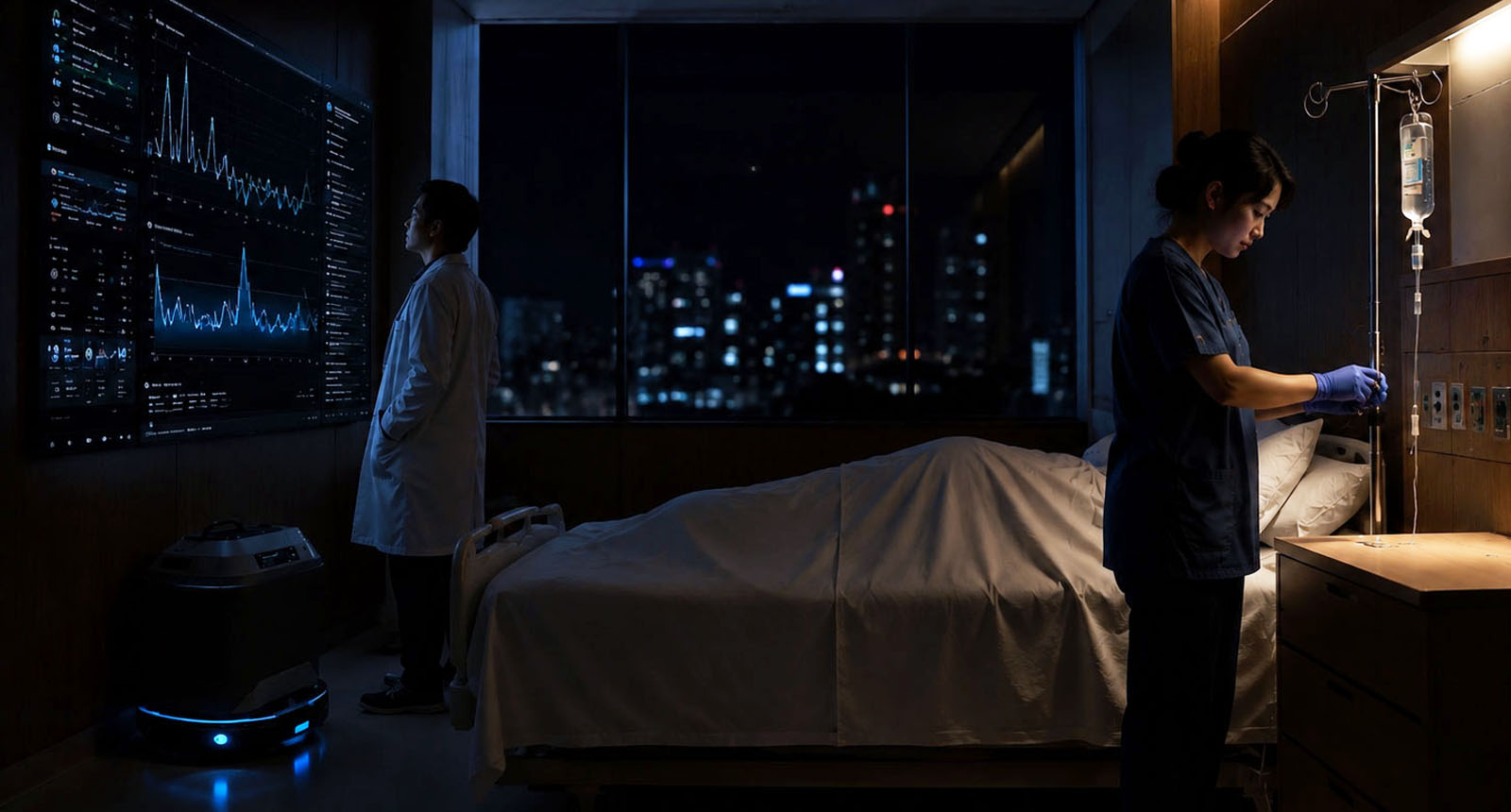
A foresight engagement exploring how ambulatory transformation, decentralized support and longitudinal cancer journeys may reshape the future of distributed oncology care.
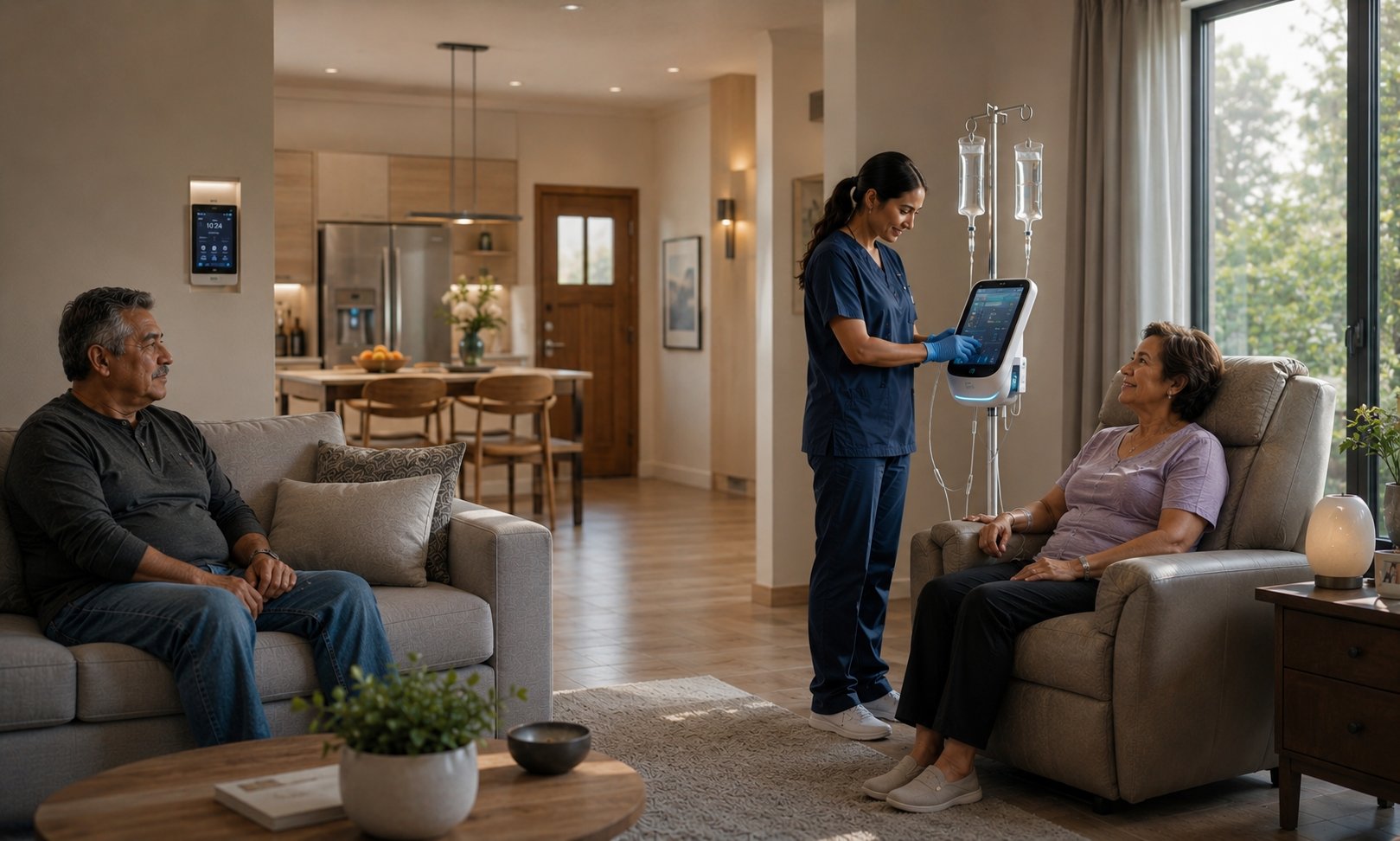
We partnered with the nation’s leading cancer center to explore how oncology may evolve as treatment, recovery and follow-up increasingly unfold across ambulatory, home and virtual settings rather than within a single one.
Rather than forecasting a single future, the work examined how cancer institutions may need to adapt to support longitudinal journeys across home, ambulatory, virtual and acute environments.
Using strategic foresight, ecosystem thinking and human-centered design, the work helped leadership surface emerging implications, challenge assumptions and evaluate how today’s decisions may shape long-term resilience and institutional relevance.

What does cancer care become when the journey unfolds across an ambulatory, distributed ecosystem rather than within a single setting?
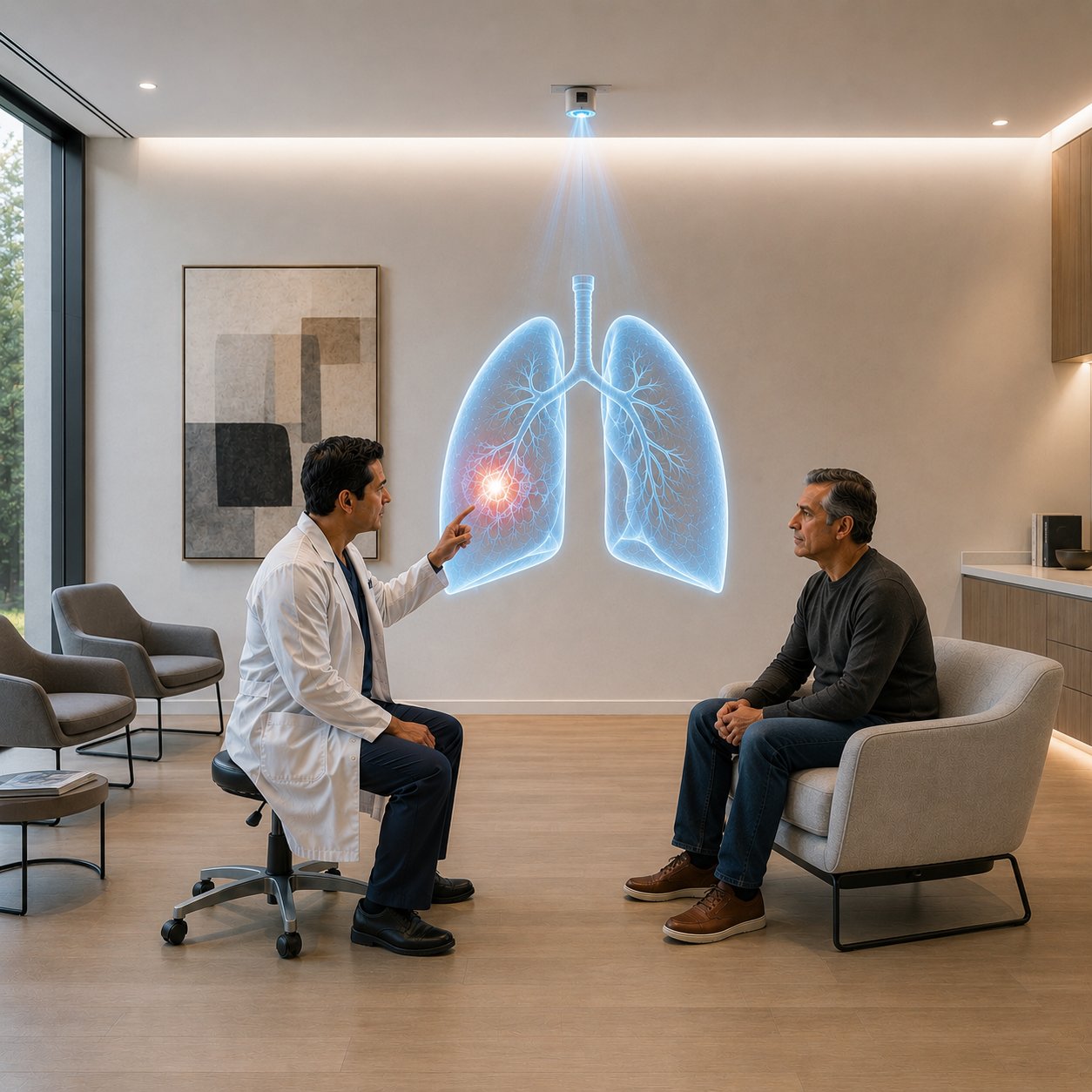
Advances in diagnostics, biologics, remote monitoring and AI-assisted decision support are reshaping where care happens — and how oncology must be reimagined across an increasingly fragmented landscape of settings.
Cancer institutions are increasingly responsible for care that unfolds across settings they no longer fully contain, while many remain structured around models built for episodic treatment rather than longitudinal journeys.
The challenge is not adopting new technologies. It is designing the connective infrastructure that allows cancer care to remain coherent, trusted and humane across an increasingly decentralized ecosystem.
Using strategic foresight and ecosystem modeling, the work explored how cancer care may evolve across ambulatory transformation, decentralized support and longitudinal patient relationships.
Rather than designing a single endpoint, the work examined how shifts in technology, behavior and care environments may reshape the transitions, relationships and trust the longitudinal cancer journey depends on.
The goal was not prediction. It was helping leadership understand emerging dynamics and evaluate how today’s decisions shape long-term readiness and institutional relevance.
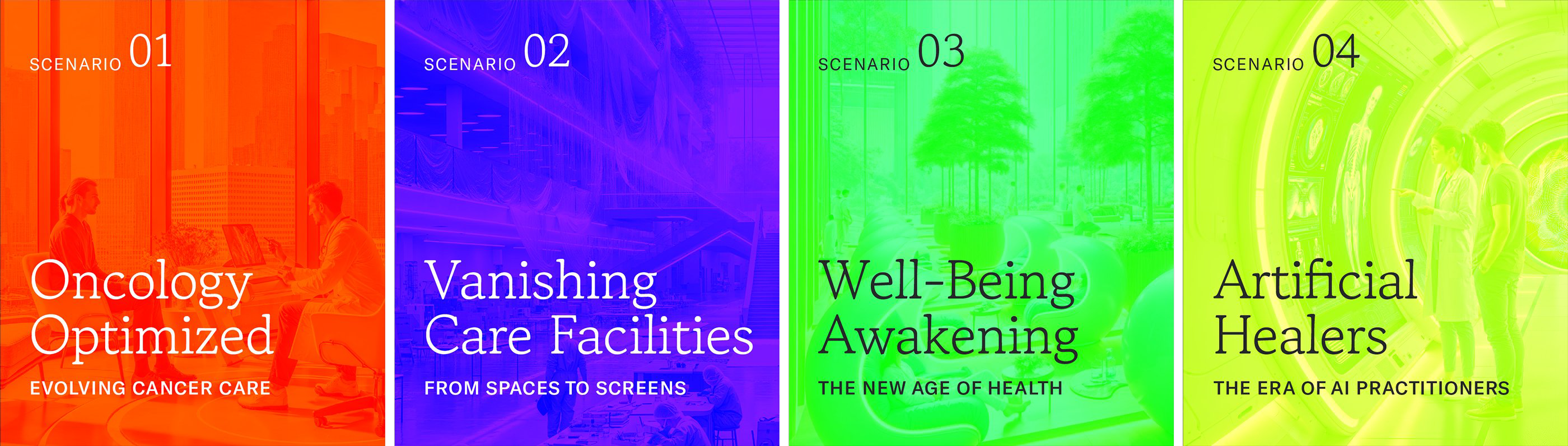
The future of cancer care is unlikely to follow a single linear trajectory. Different technological, economic and regulatory conditions may produce very different oncology ecosystems within which institutions must operate.
Rather than defining one “correct” future, the work focused on helping leadership remain adaptive across multiple plausible futures — and on identifying the capabilities each would require.
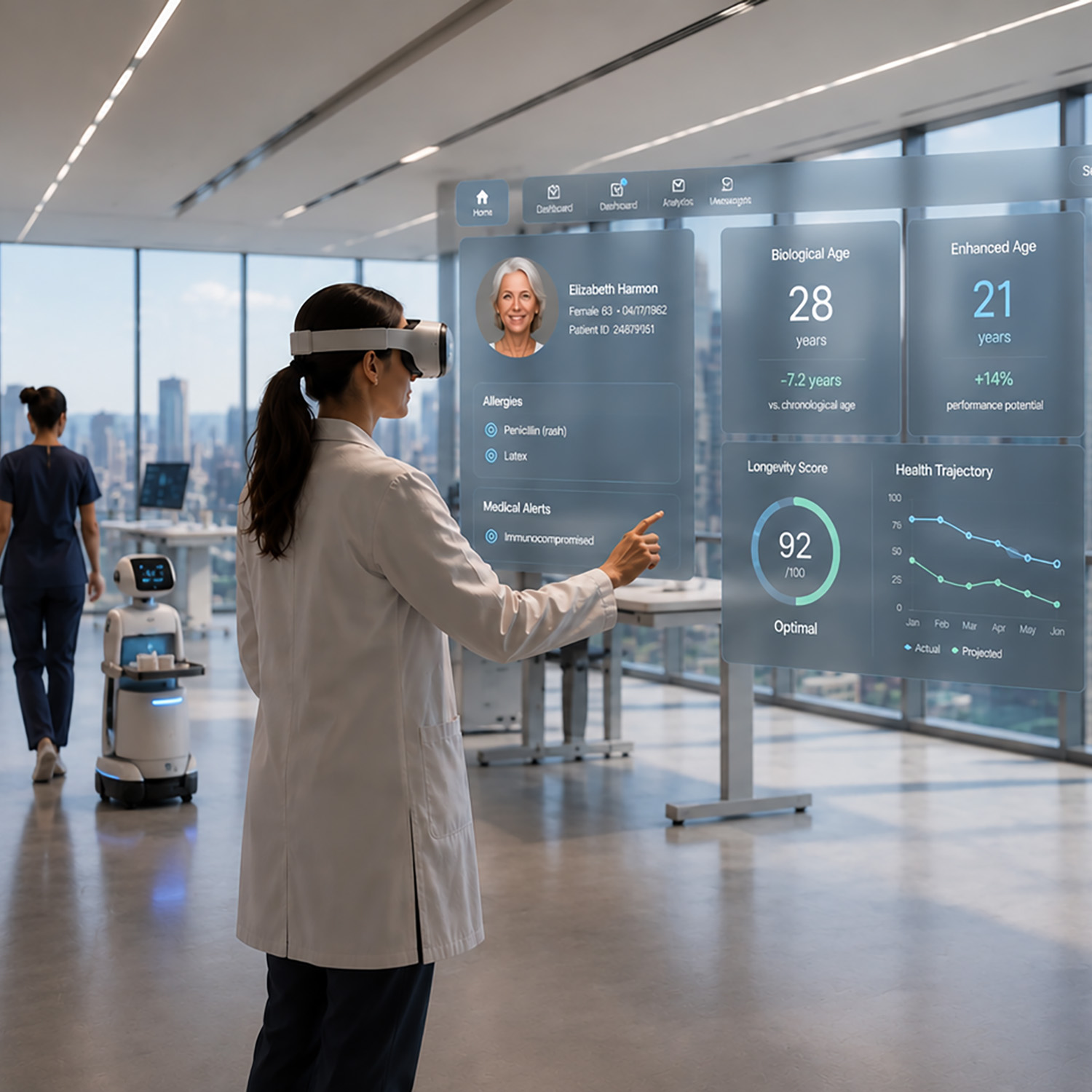
This included exploring how leadership, workforce structures, care environments and decentralized support models may need to evolve as oncology becomes increasingly distributed, intelligent and continuously connected.
The work helped leadership teams think beyond incremental optimization and toward longer-term questions about institutional adaptability, longitudinal care and strategic direction.
By exploring multiple plausible futures, the work created space to evaluate assumptions, surface emerging implications and better understand how shifts happening today may compound across the oncology ecosystem.
Rather than prescribing a singular roadmap, the work supported more informed decision-making under uncertainty — and clarified the capabilities each future would require.
Most healthcare organizations are still planning for incremental change. The deeper challenge is reinventing care for a future where care means more than treatment, moves upstream of prevention and can happen anywhere.
Start a conversation ↗