The challenge was not technical. It was psychological.
Leadership was exploring how intelligent systems, robotics and ambient technologies may reshape care delivery over the next decade. But many clinicians approached the topic cautiously.
Some feared surveillance, loss of autonomy or replacement by automation. Others struggled to imagine how these technologies might realistically fit into care delivery.
- Surface resistance early, before implementation
- Make abstract future concepts emotionally tangible
- Identify adoption barriers before scaling
- Help clinicians imagine themselves inside future workflows
- Explore where human judgment and connection must remain central
- Build trust in emerging human–synthetic collaboration
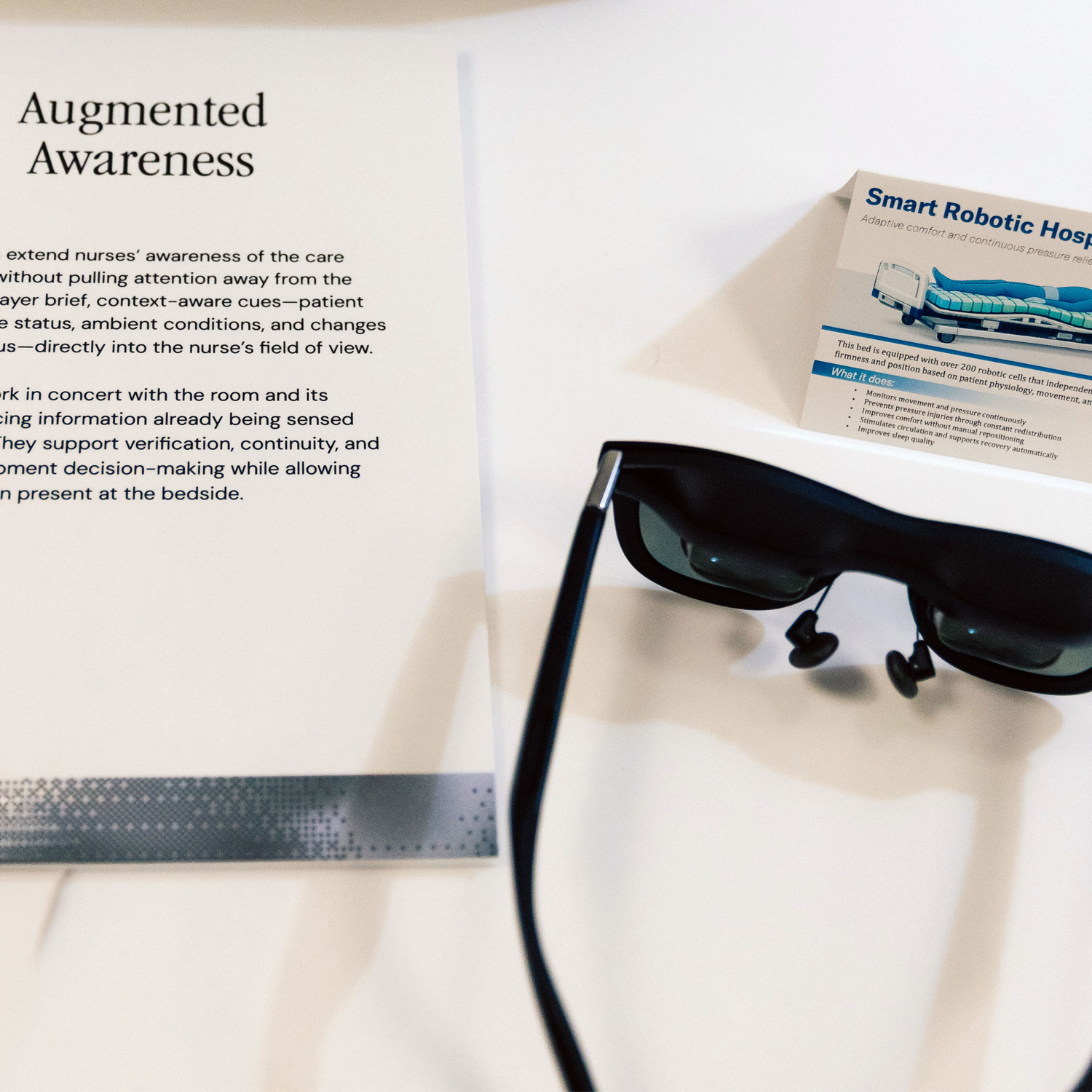
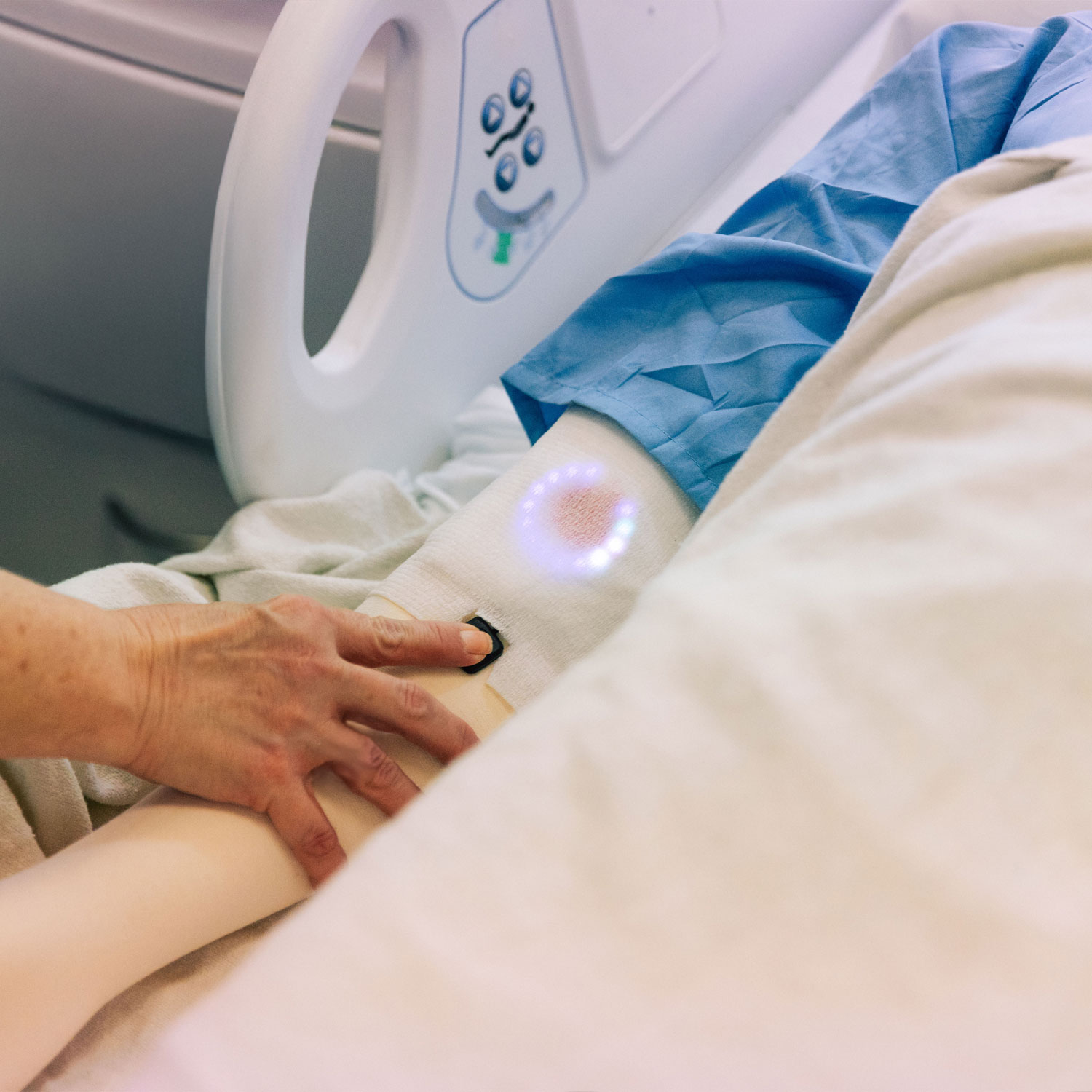
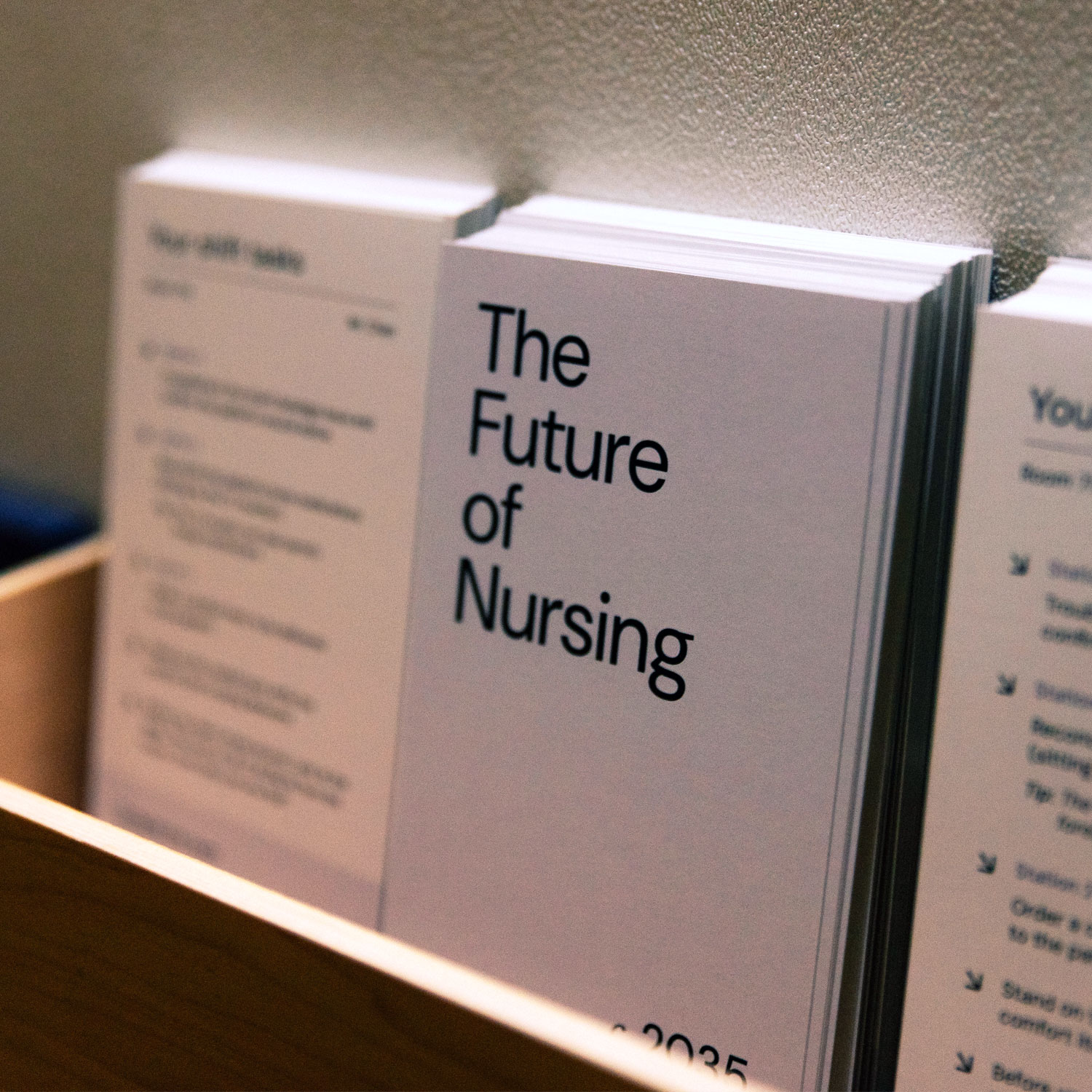
Making transformation visible, tangible and testable.
We designed and constructed an experiential future environment that translated long-range foresight research into a realistic nursing experience set in 2035.
Nurses moved through a working care environment where intelligent systems, robotics and ambient technologies were integrated into everyday workflows.
The experience grounded emerging technologies inside familiar clinical routines, helping participants explore and test possible futures in practice.
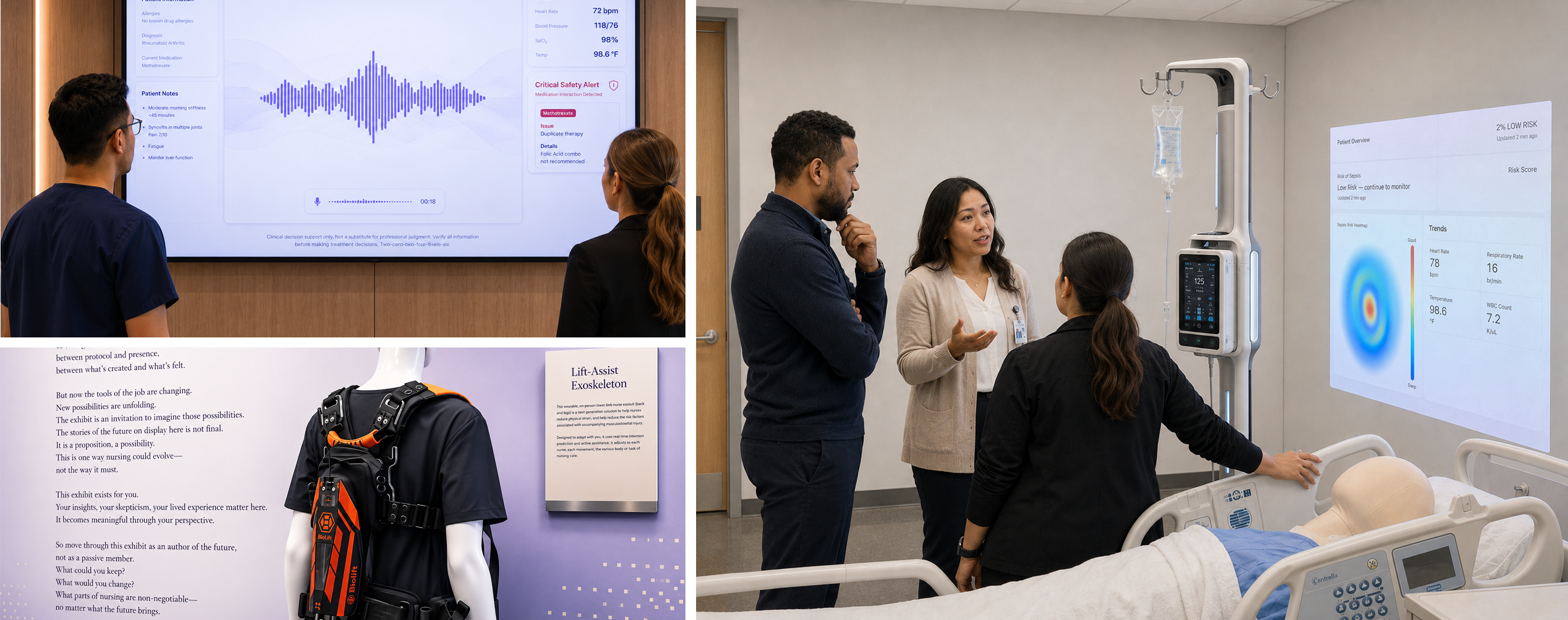
- AI-generated shift briefings delivered via earpiece
- Collaboration with synthetic clinical co-workers
- Robotic delivery systems within the workflow
- Ambient monitoring and automated documentation
- Future care artifacts embedded throughout the environment
- Structured reflection on what should remain human
- Observation of more than 1,000 frontline participants
- Large-scale qualitative insight capture across the experience
Making the future experiential instead of abstract.
Most organizations communicate transformation through mandates, frameworks and presentations. But when the future feels abstract, people often default to the systems they already know.
This work explored a different approach: helping organizations rehearse future ways of working before they are expected to adopt them.
And participants weren’t only experiencing the future — they were helping to author it. Feedback channels woven throughout the environment turned immersion into co-creation, helping leaders surface the insights needed to refine future staff and patient experiences.
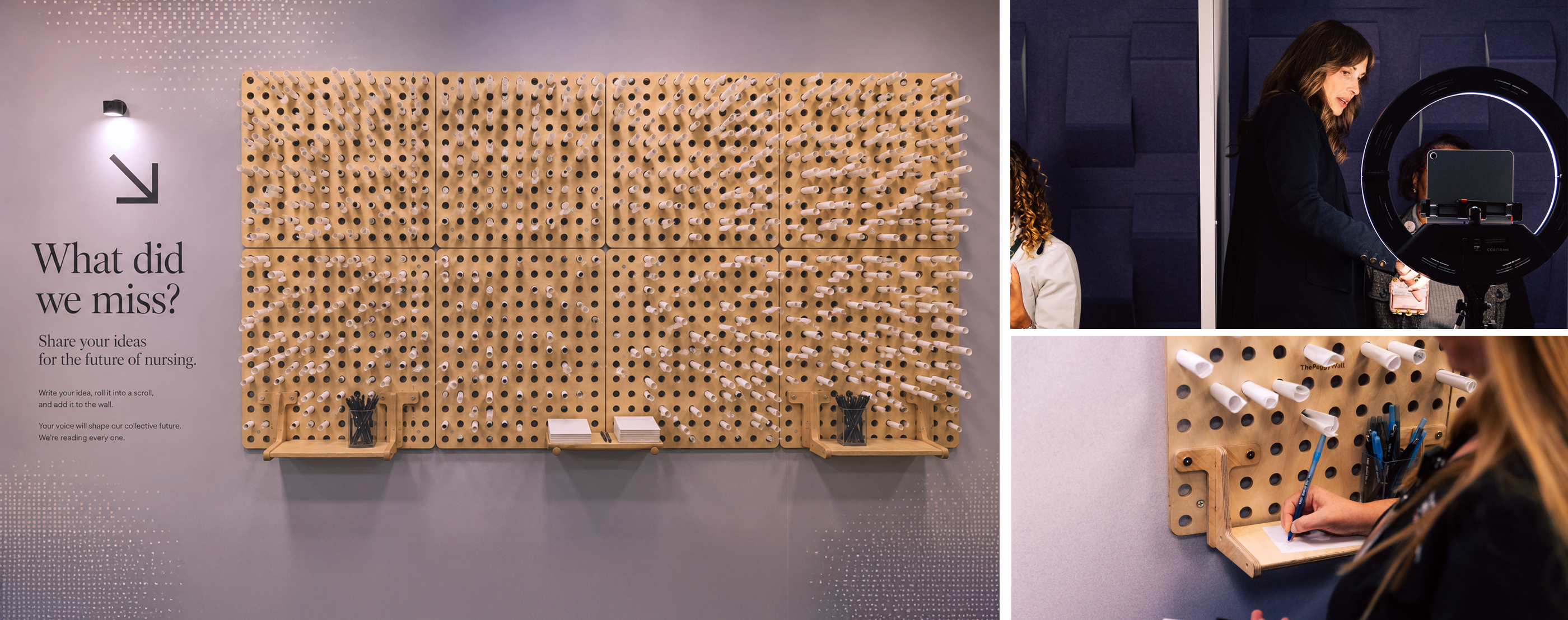
From passive resistance to active participation.
The most important shift was not technological. It was psychological.
Many participants entered the experience skeptical or uncertain about the role intelligent systems may eventually play in care delivery. But once future workflows became tangible, the conversation began to shift.
Instead of asking “Will this replace us?” nurses began asking “When can we make this happen? And how can I shape this?” — shifting skepticism into participation.
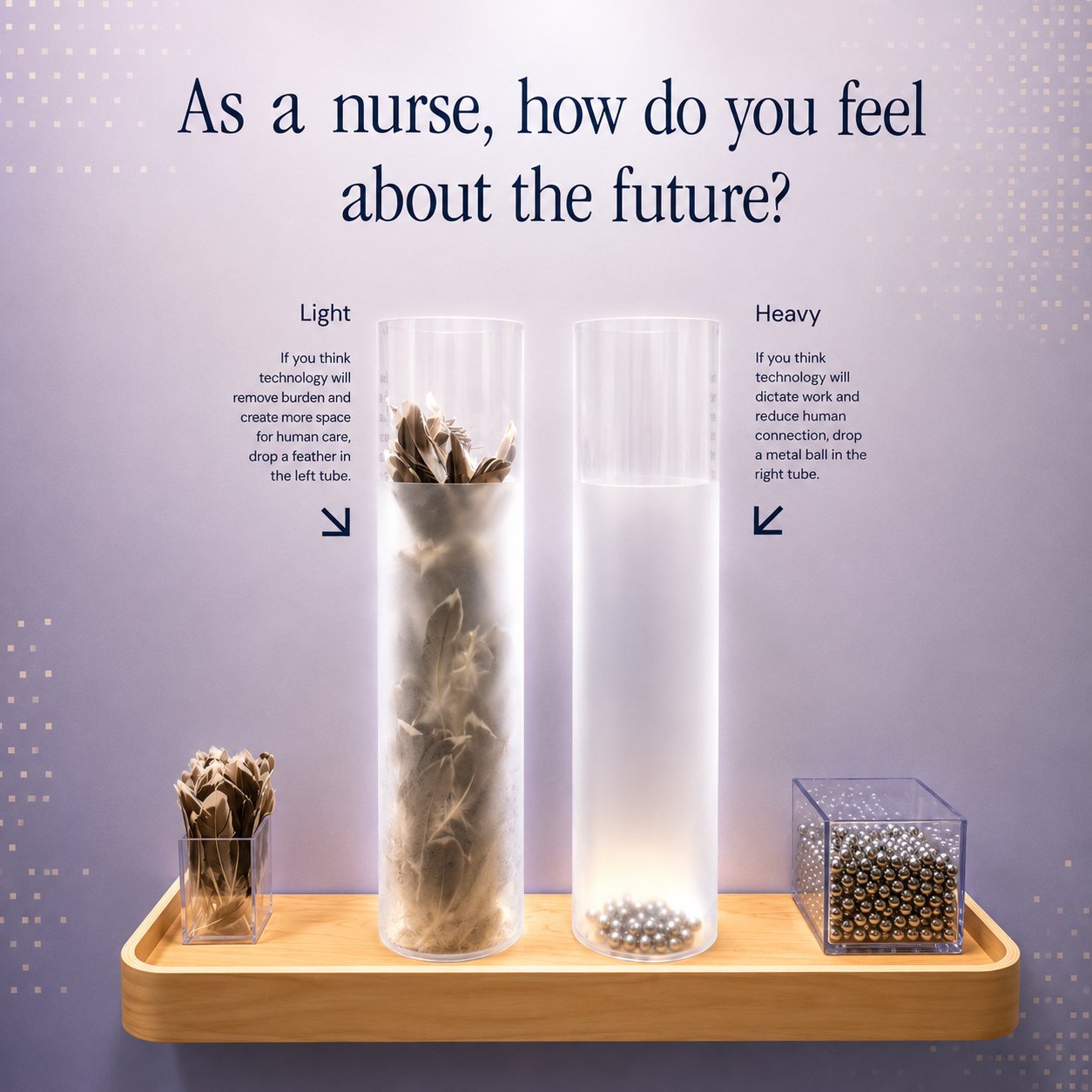
- Adoption barriers identifiable before rollout
- Emotional friction points within future workflows
- Workflow tensions across human–system coordination
- Areas where human oversight remained essential
- Opportunities to reduce cognitive and administrative burden
- Conditions needed for trust in human–synthetic collaboration
People move faster when the future feels tangible.
Start a conversation ↗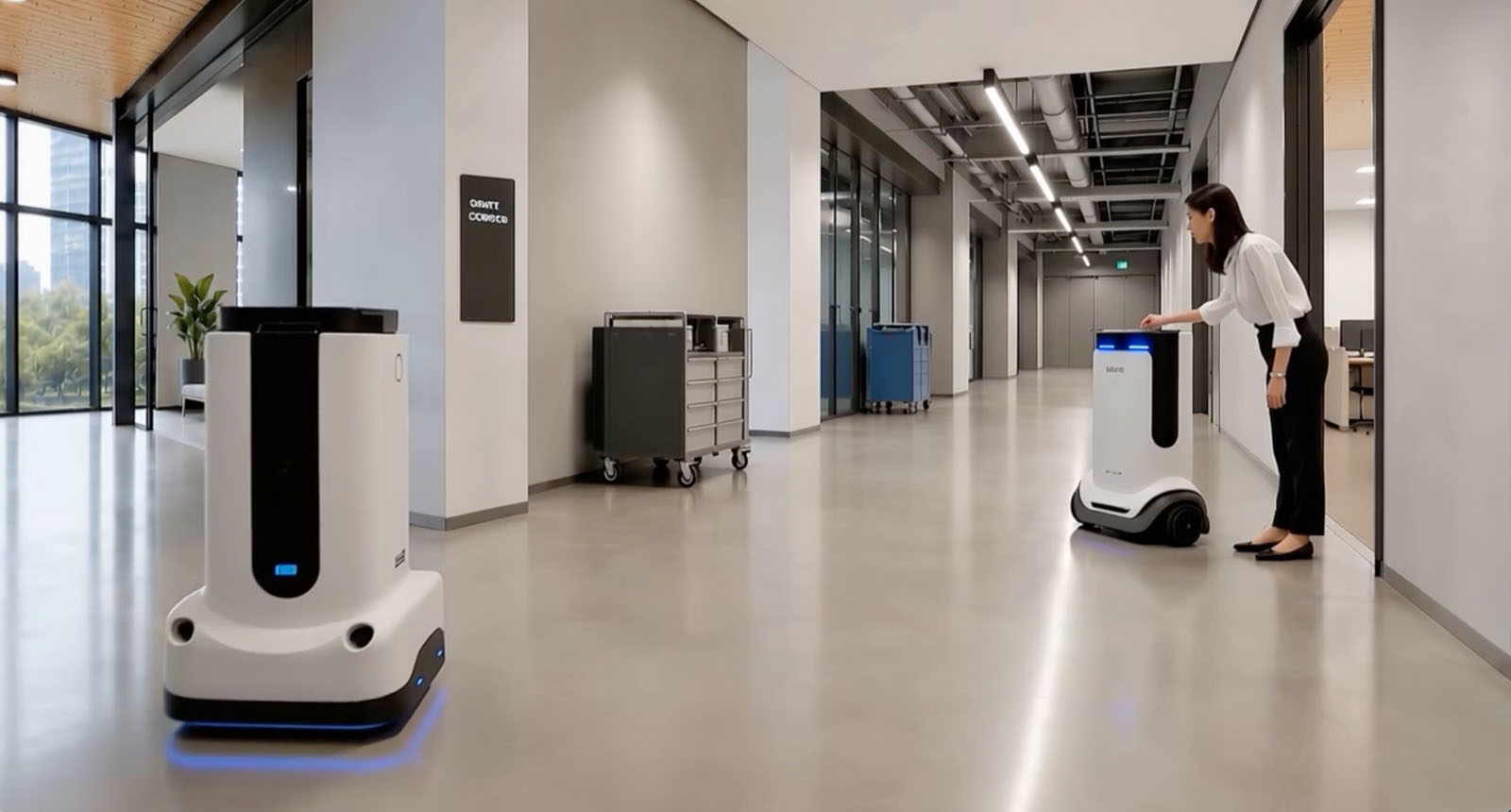
Redesigning work for the Age of Intelligence
Role, workflow and coordination design for a future where human and synthetic contributors increasingly share the work, judgment and responsibility.
View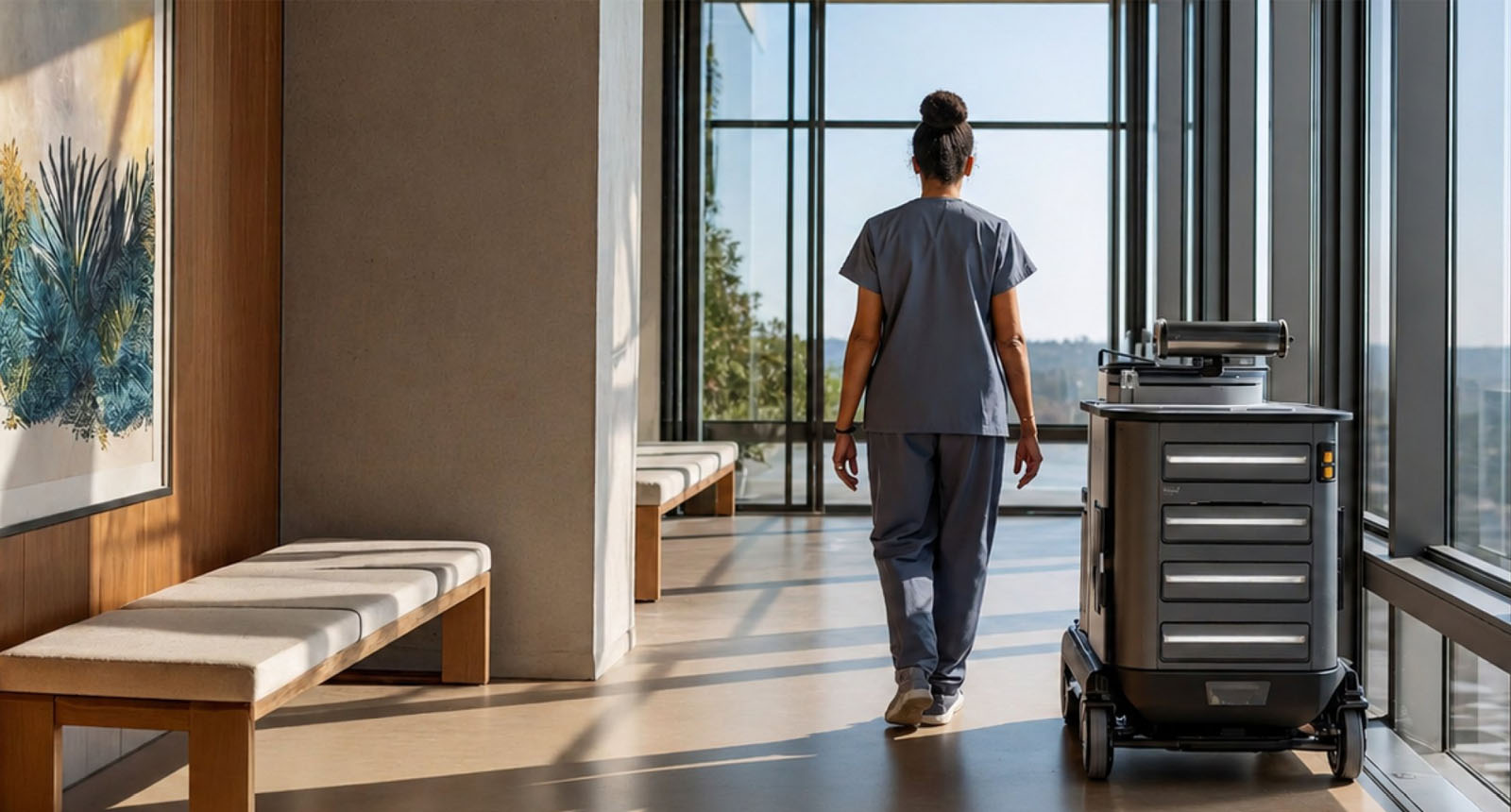
Building the nation’s first AI-native hospital
Operating-model and experience design for a new academic medical center built around intelligence, adaptability, care delivery, research and human trust.
View
Building leadership capacity for continuous transformation
A leadership system designed to align decisions, governance, behaviors and coordination for organizations under continuous disruption.
View