H-01.02 / artifact
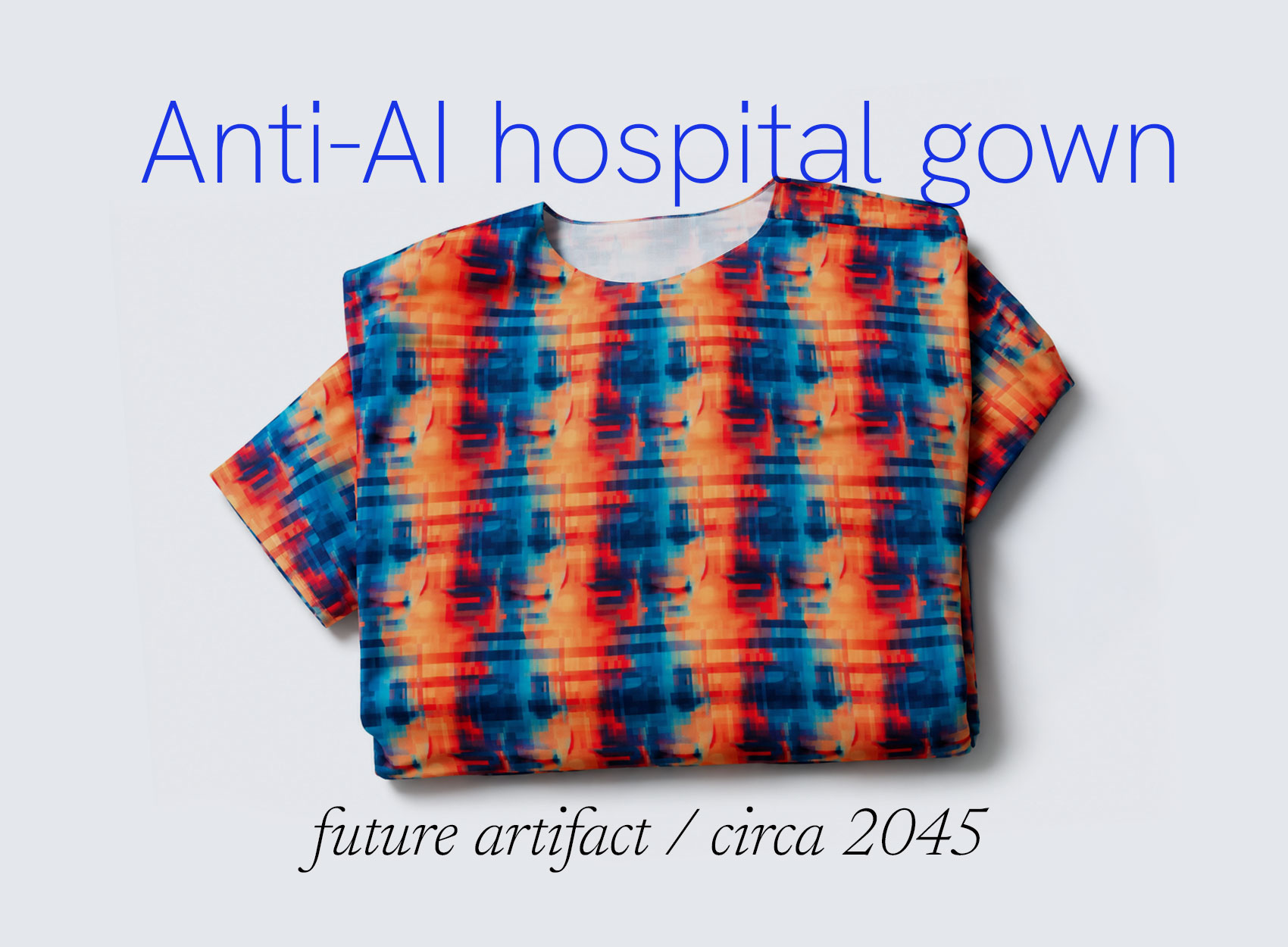
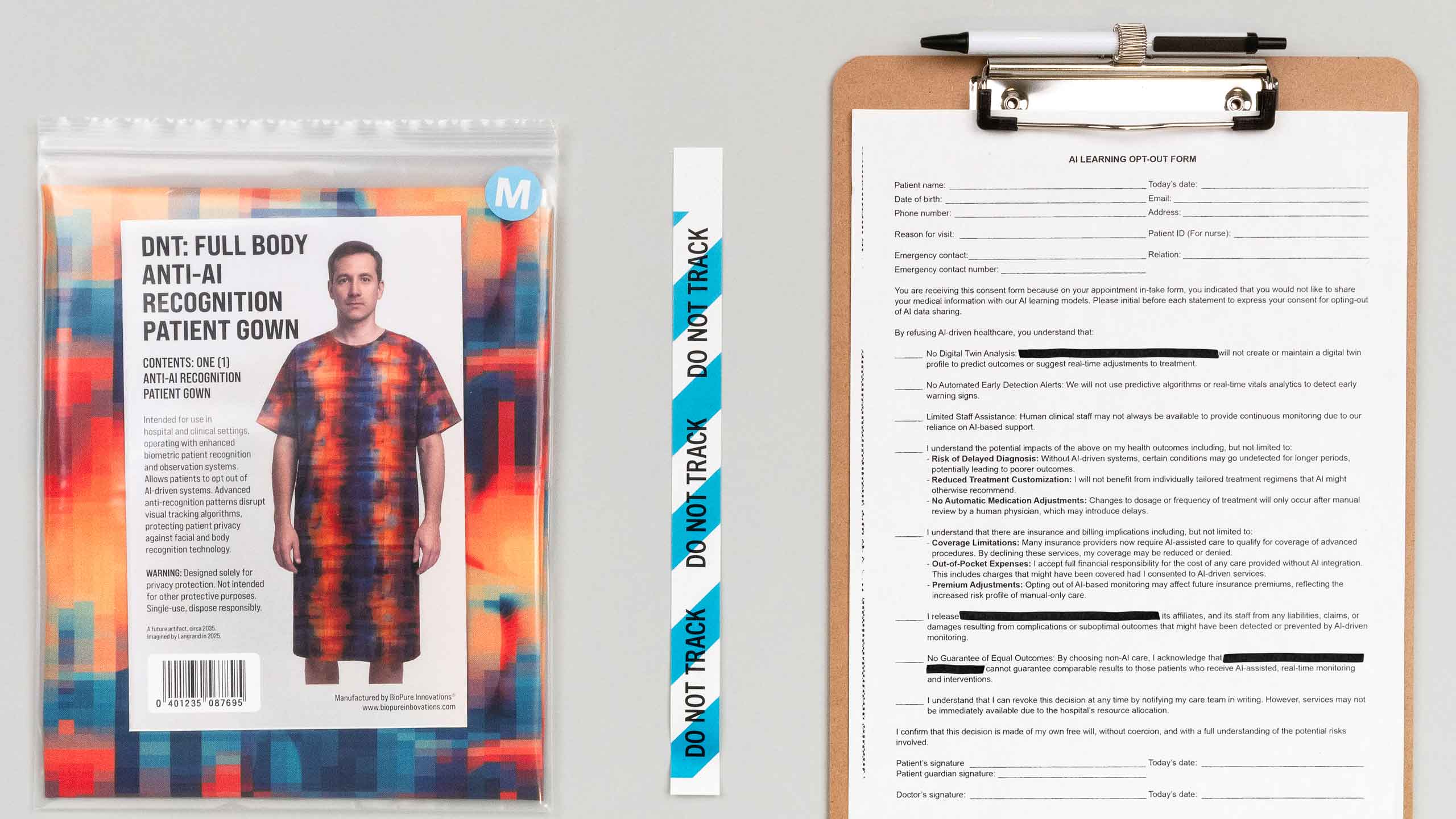
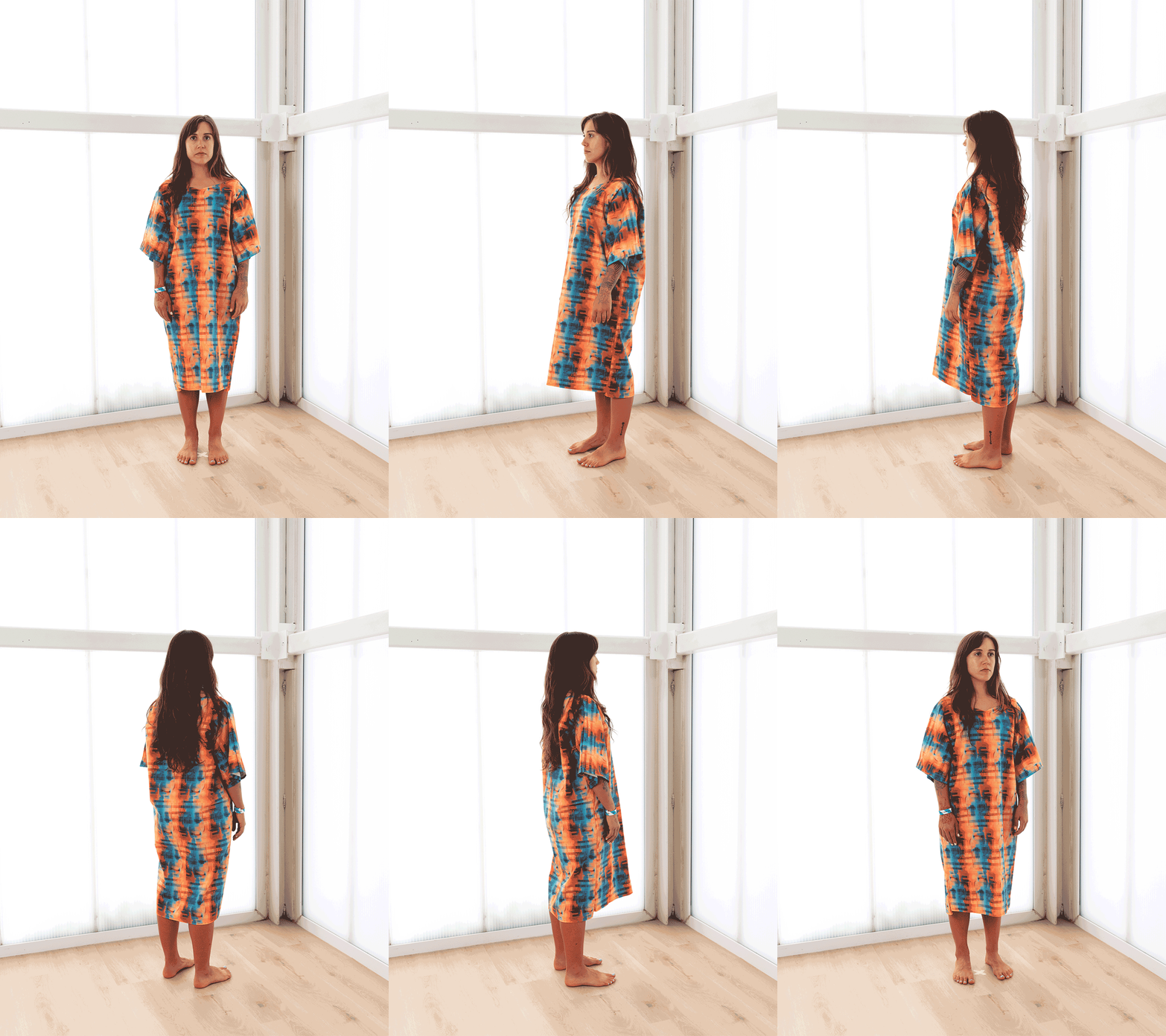
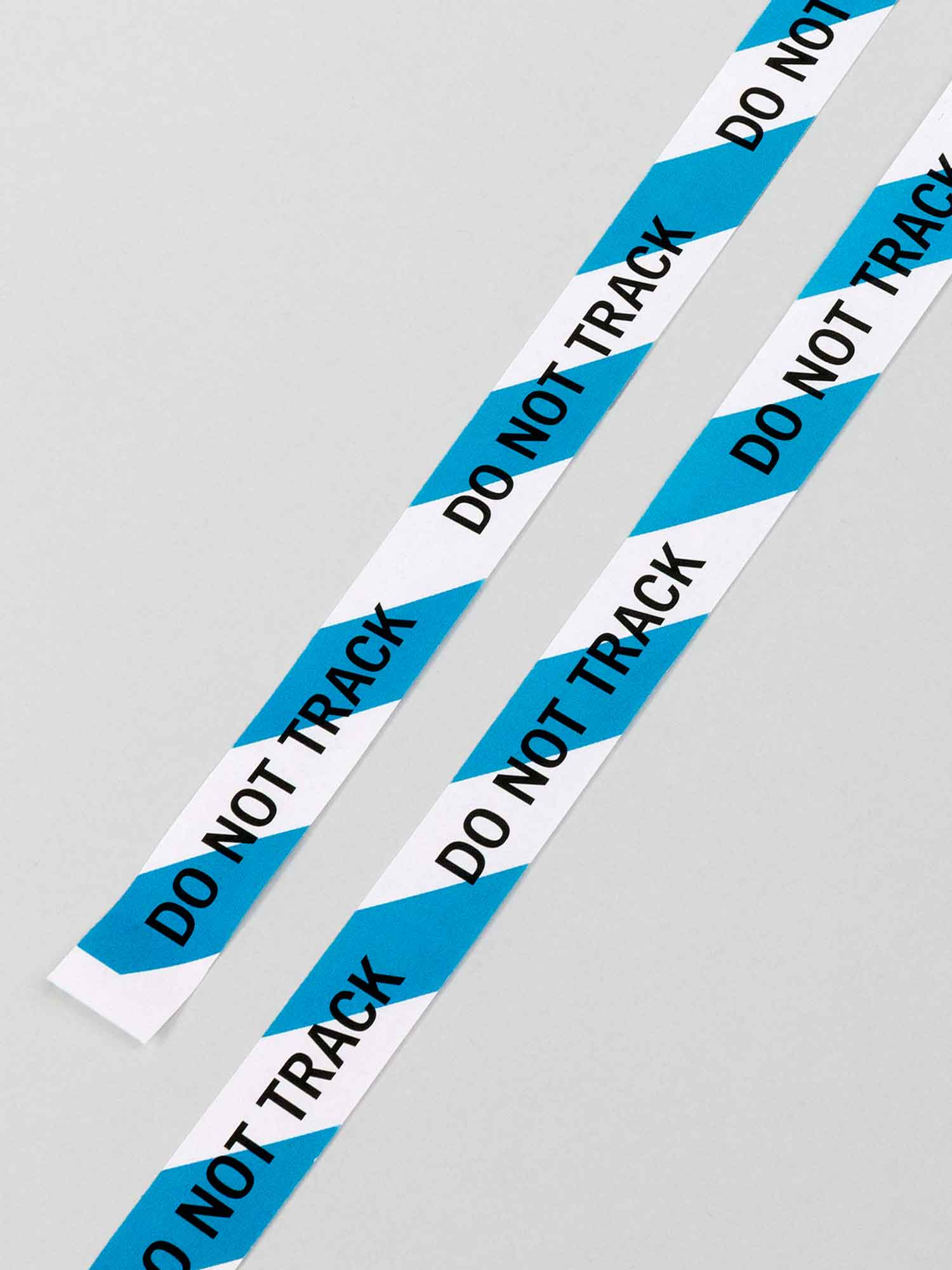
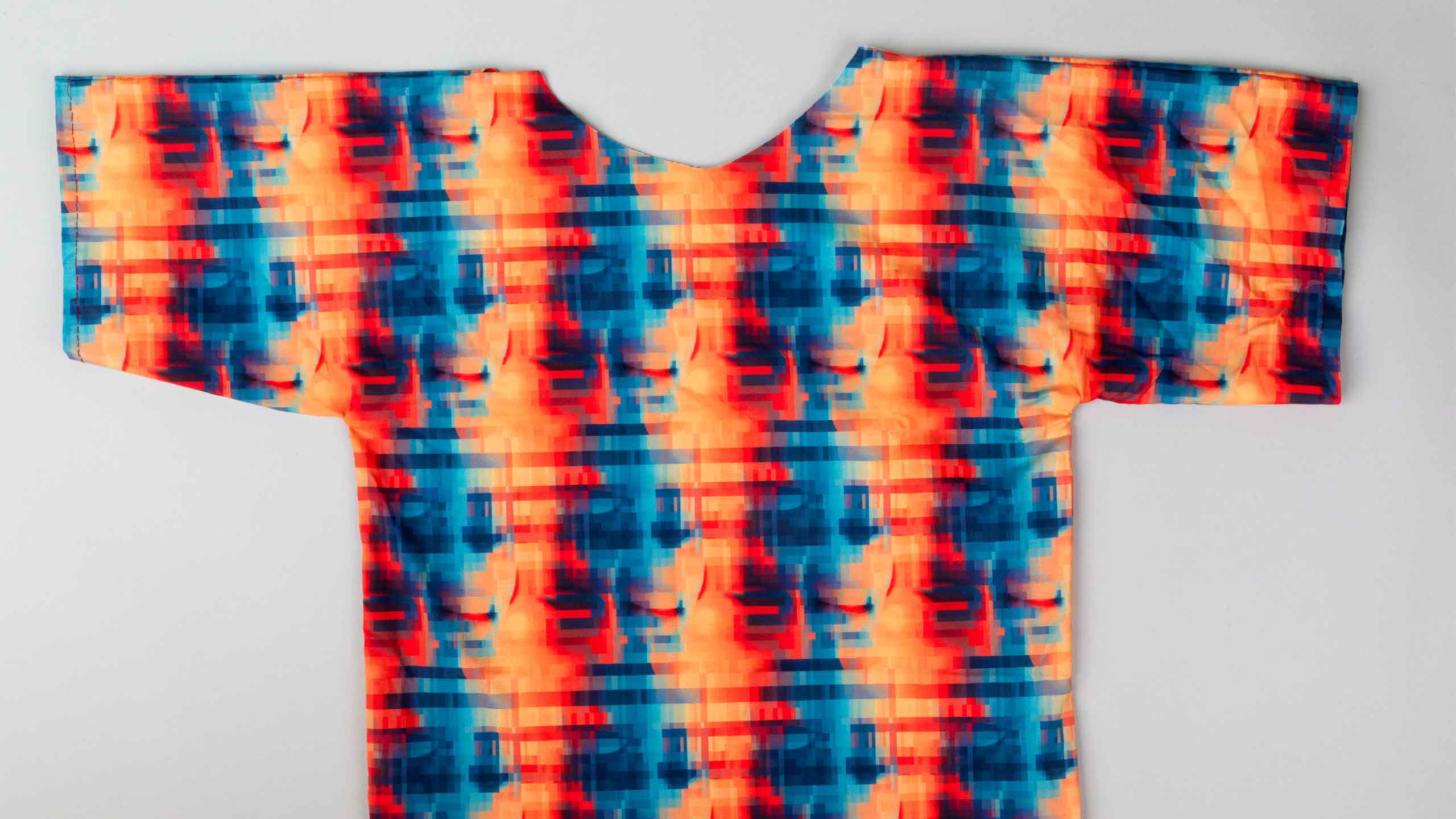
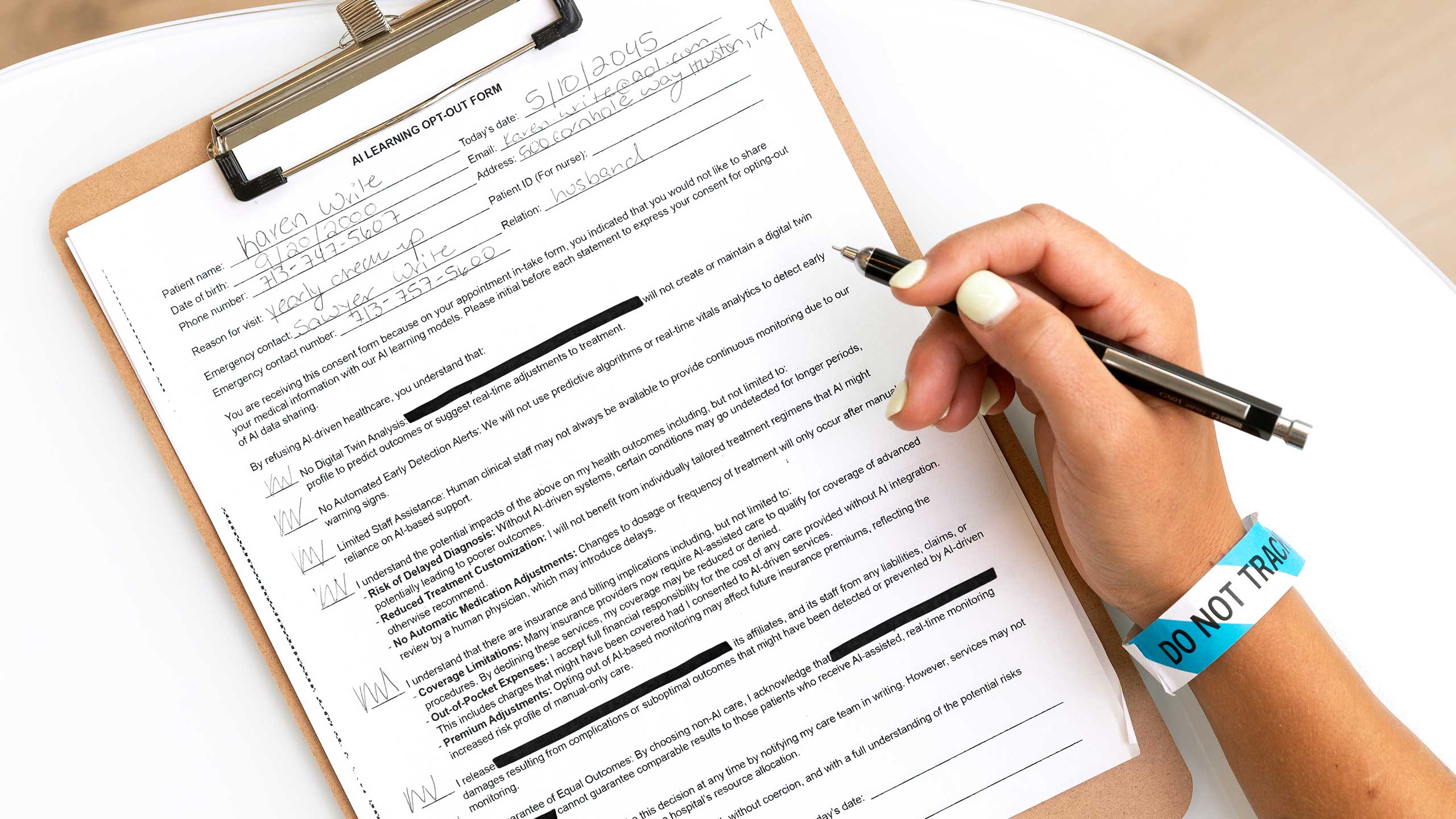
Privacy-protective gown, wristband and non-AI care consent
A nine-figure implementation balanced on one unspoken assumption: that they accept it.
This is what a future full of distrust looks like. A patient gown that camouflages its wearer from AI, a wristband that reads do not track and a paper form (so it leaves no digital footprint) requesting care from humans only.
No one set out to create an experience that needs this. It is a byproduct of moving fast in the name of efficiency without pausing long enough to see the full picture of the future being assembled by default.

Thanks to AI, organizations optimized their way to a future they didn’t desire faster than ever.
Your business can get faster and cheaper and still end up somewhere no one chose.
Every strategic initiative is thousands of micro-decisions that can be defended on their own. Each one cut a cost, saved an hour, cleared a queue. Add them up and the place runs better than it ever has. What none of them answered is the question that actually compounds: better at what, and pointed where?
The answer is not to slow down. It is to put a heading on the speed, to decide what the system is for before efficiency decides for you. Do that and you can move just as fast, but without having to backtrack to deal with unintended consequences.
This do-not-track kit only exists in a system that mistook speed for direction. Whether that is the one you are building is, for now, still a choice.
See the evidence behind this artifact ↗